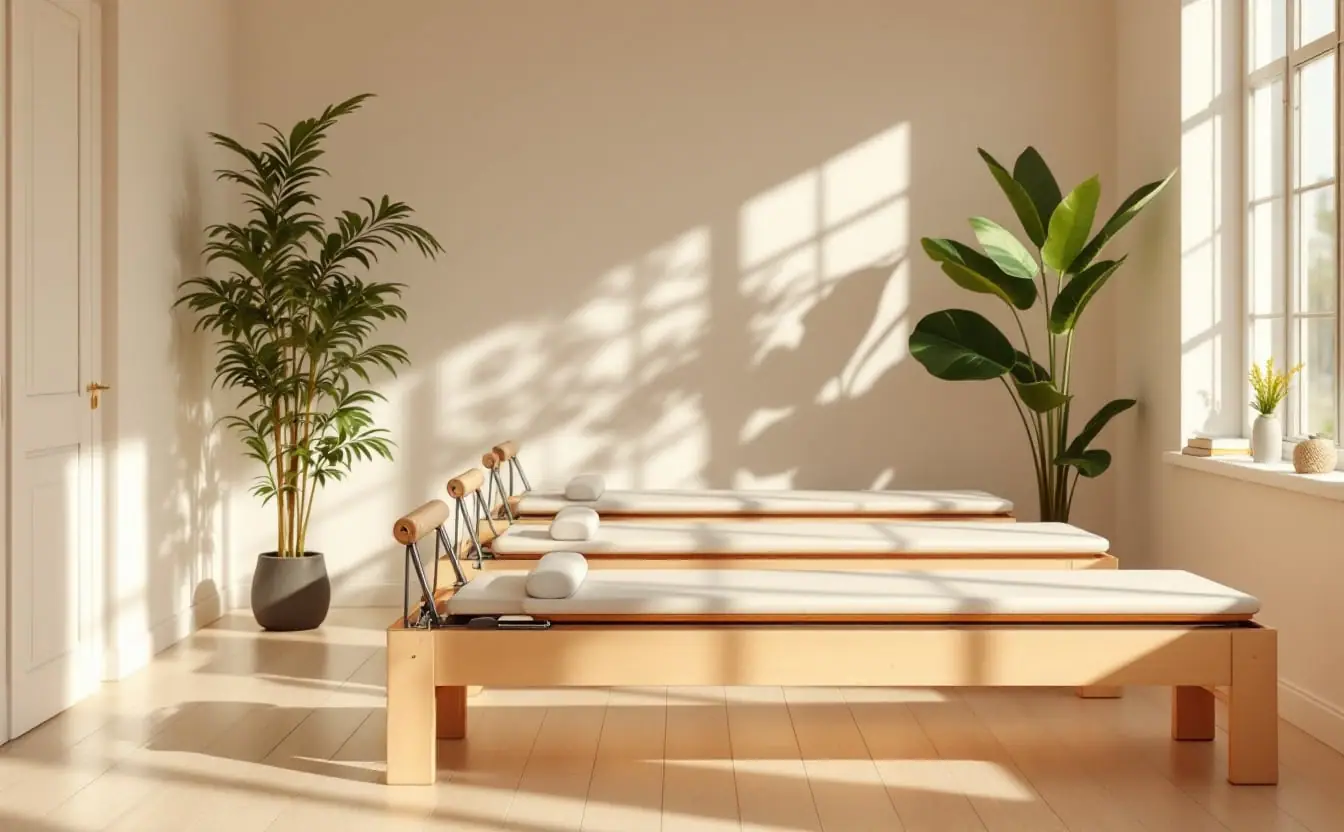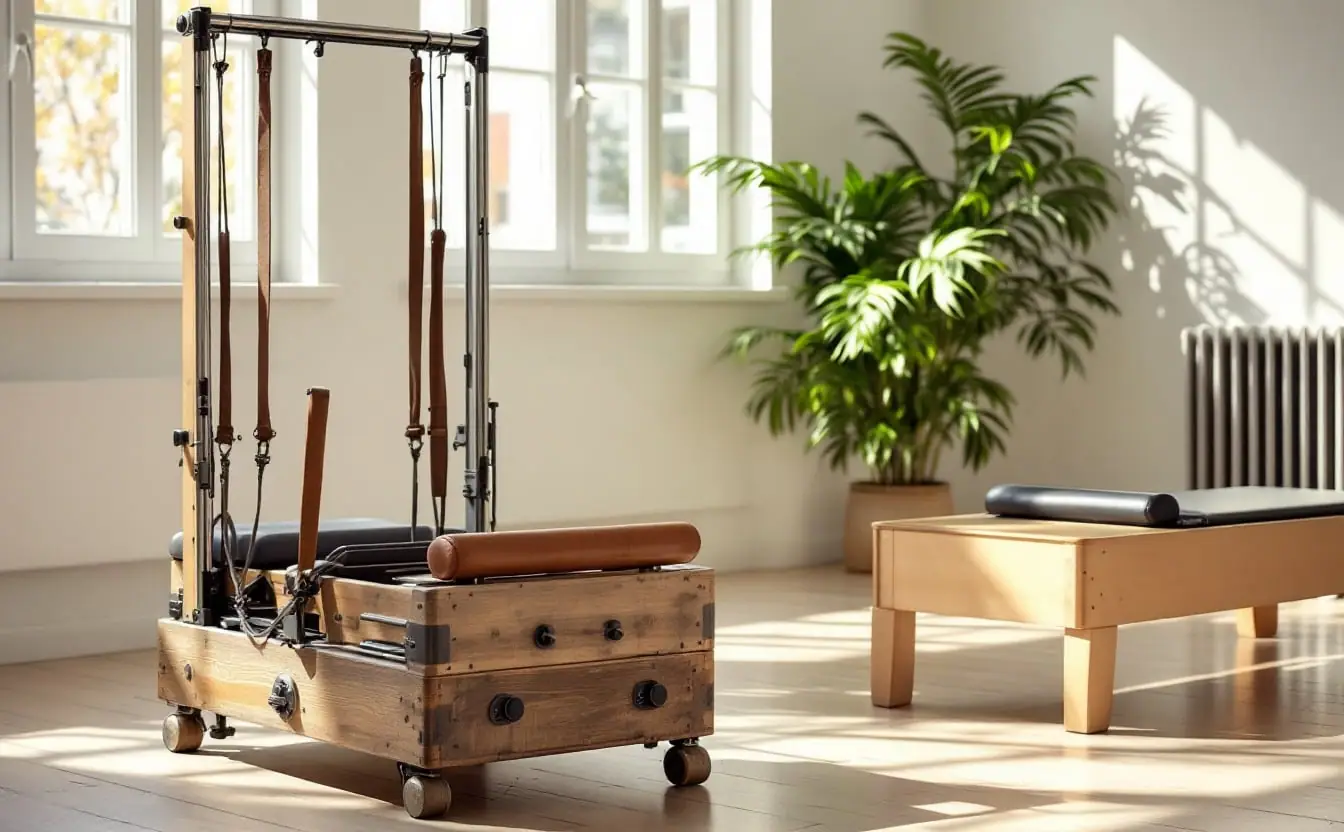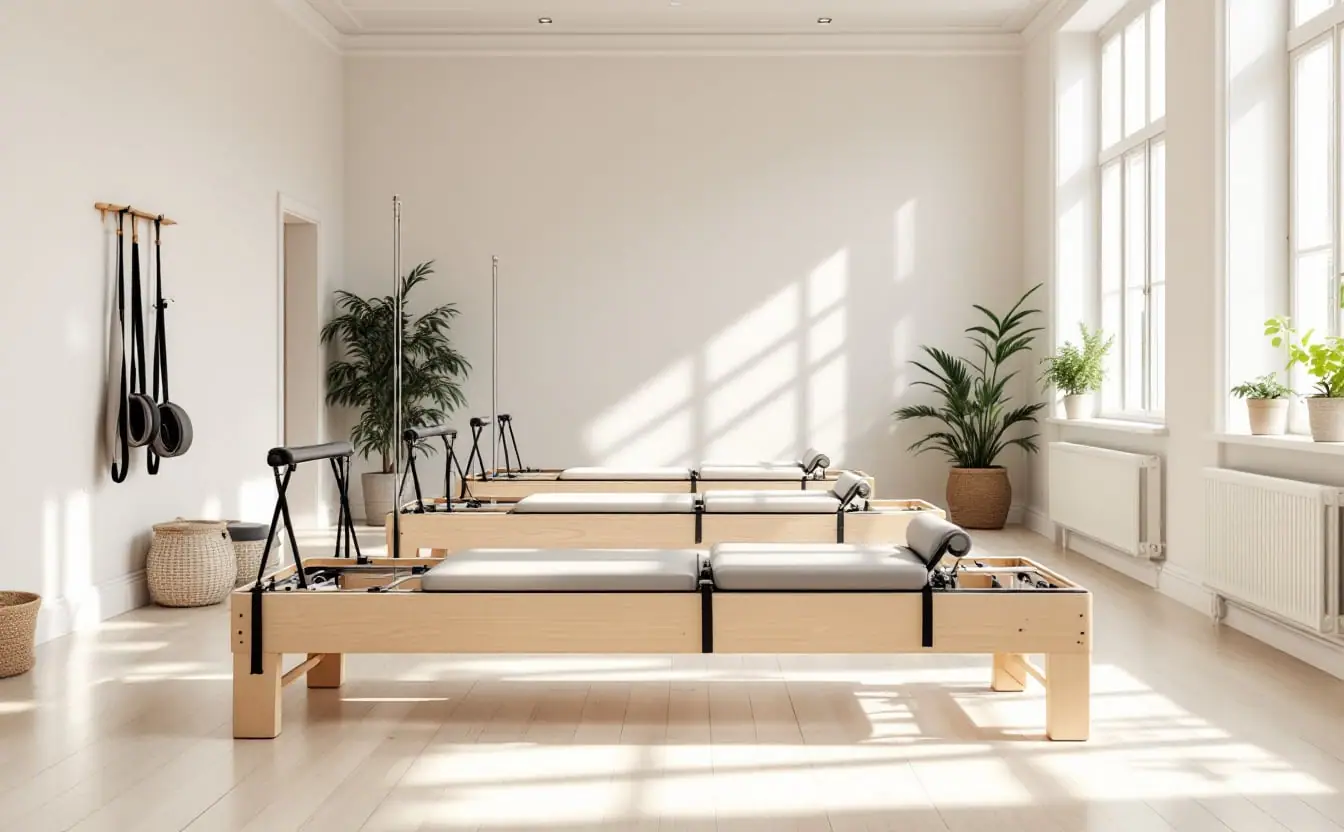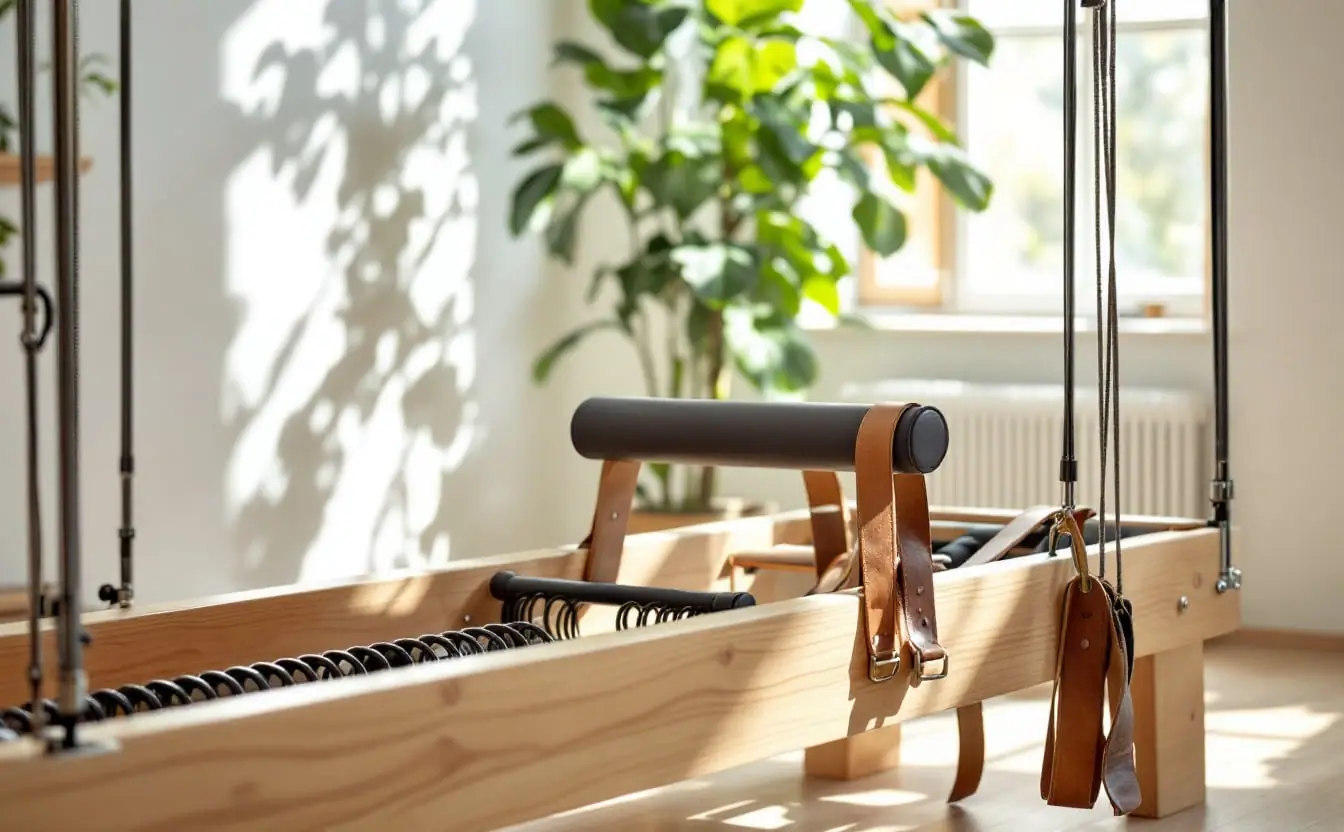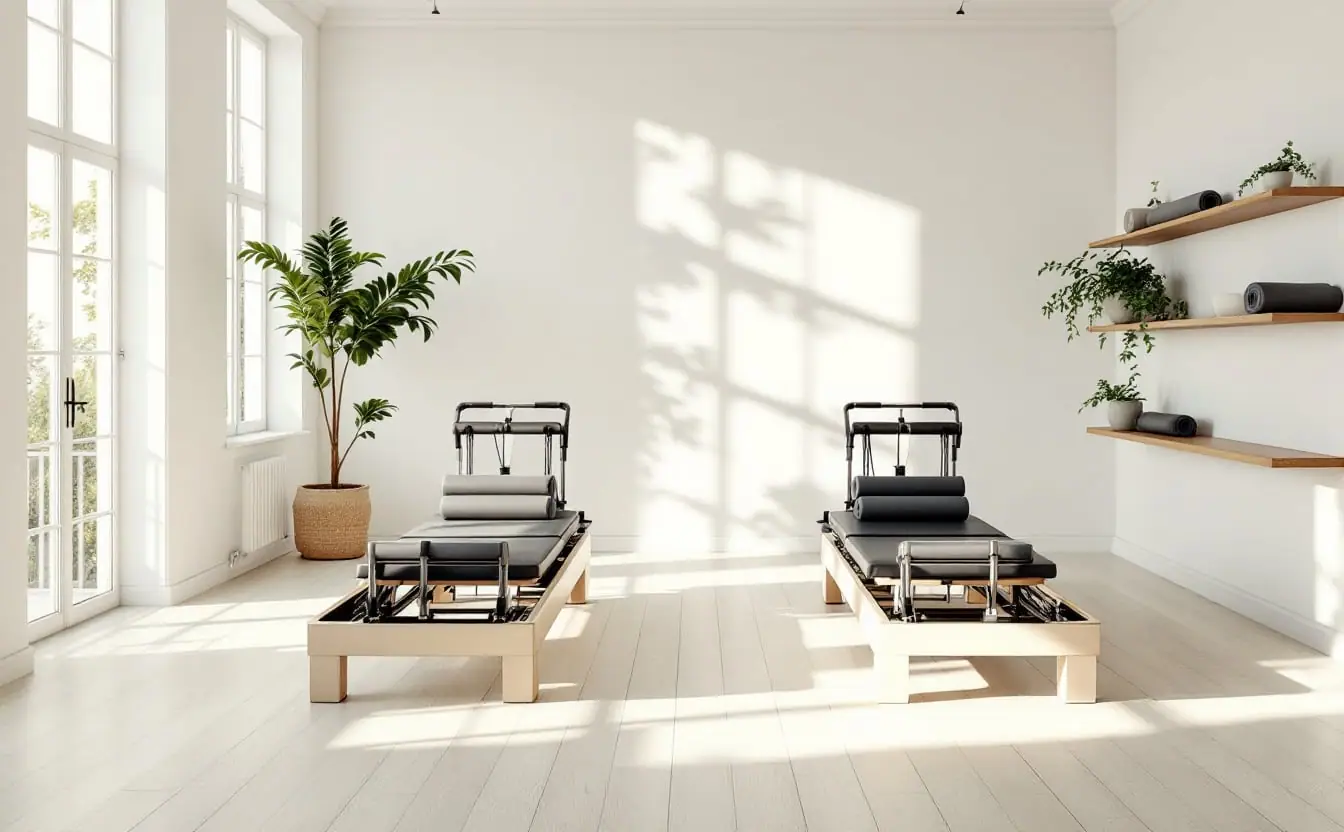
Buying a Pilates machine for home: reformers, cords and space
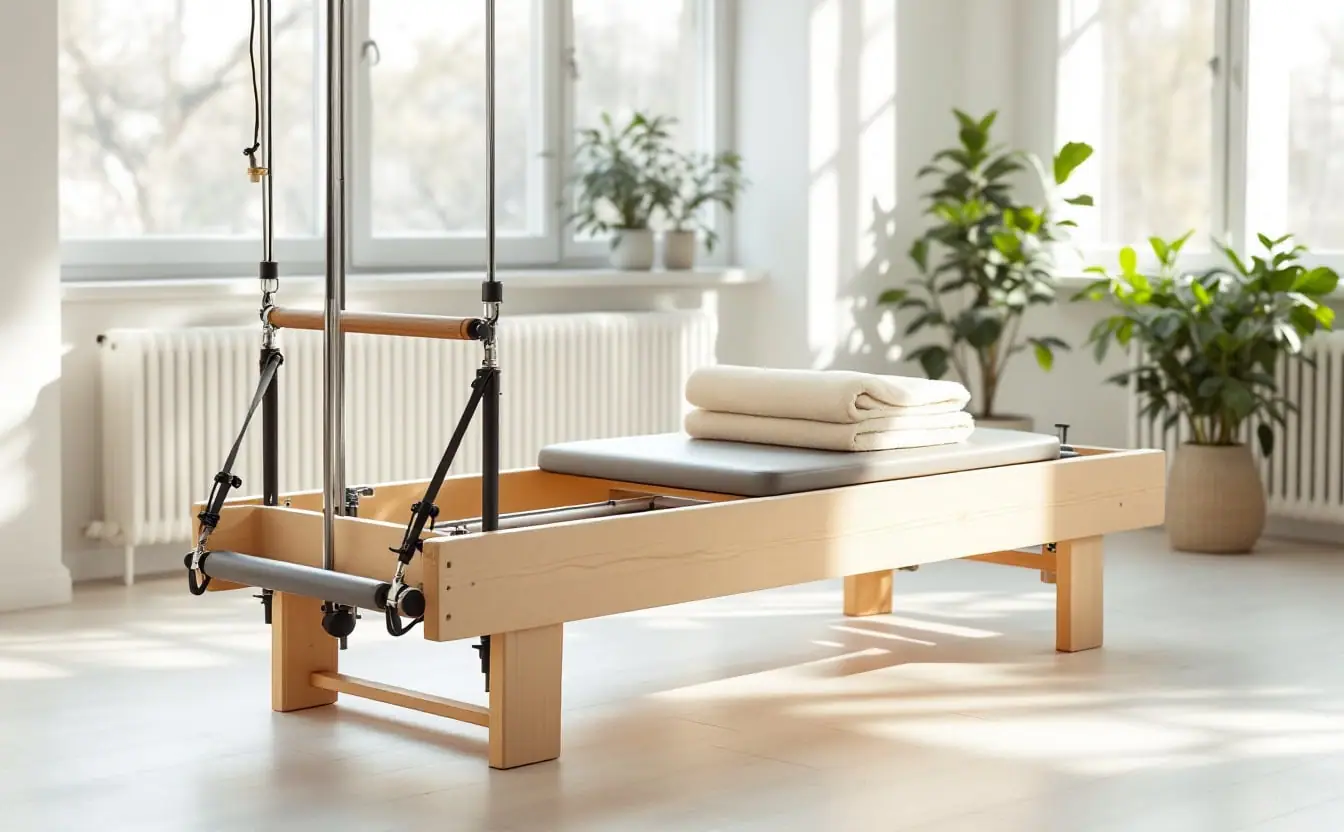
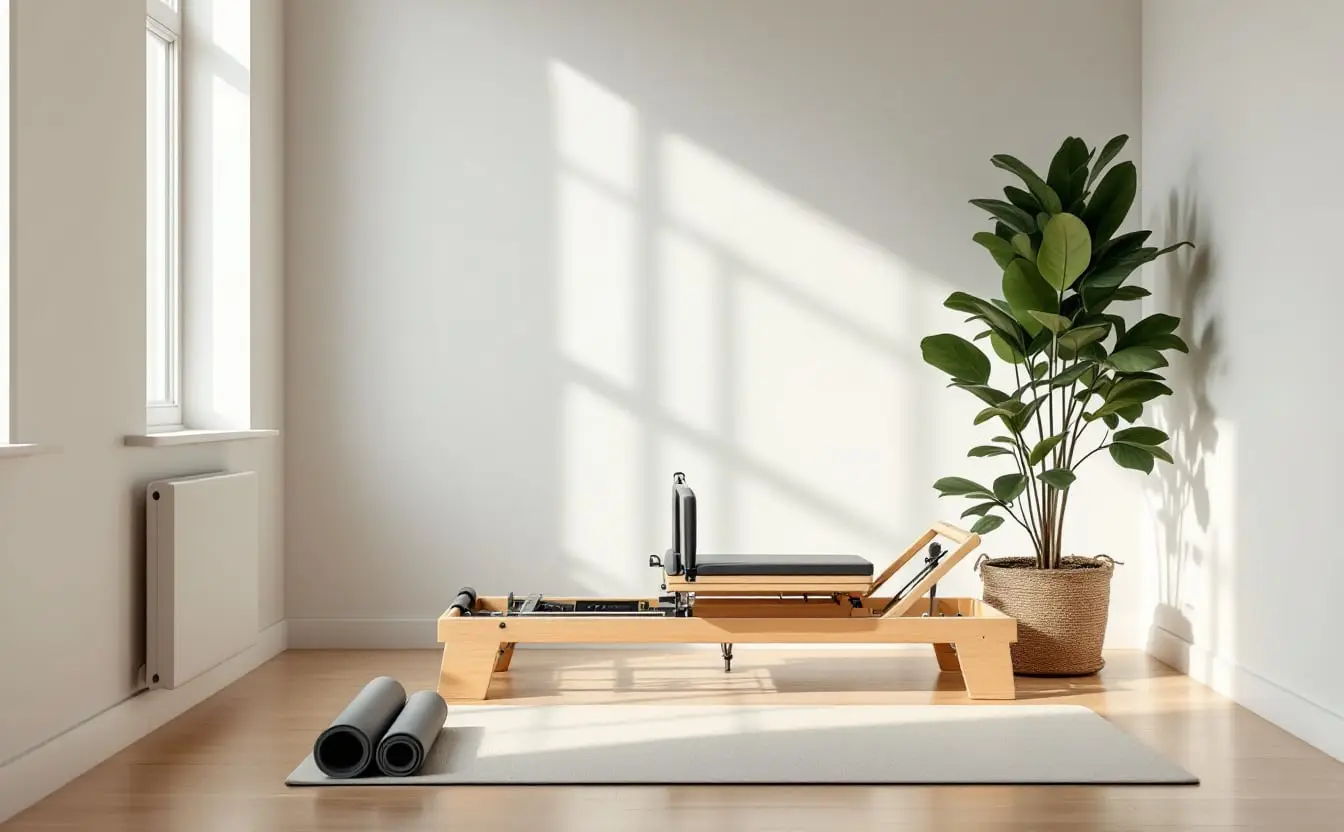
How to choose a Pilates machine for home: springs or cords, floor space and ceiling, weight limits, folding, noise, sliding boards and learning first.
Pilates, mobility and everyday fitness
 On the mat this weekBuying a Pilates machine for home: reformers, cords and space

Kelsey taught group mat classes in Portland and ran a small studio for a while, which taught her as much about rent as about reps. She writes the home workouts and the business pieces: equipment, programming, teacher training and running a room.
How to choose a Pilates machine for home: springs or cords, floor space and ceiling, weight limits, folding, noise, sliding boards and learning first.
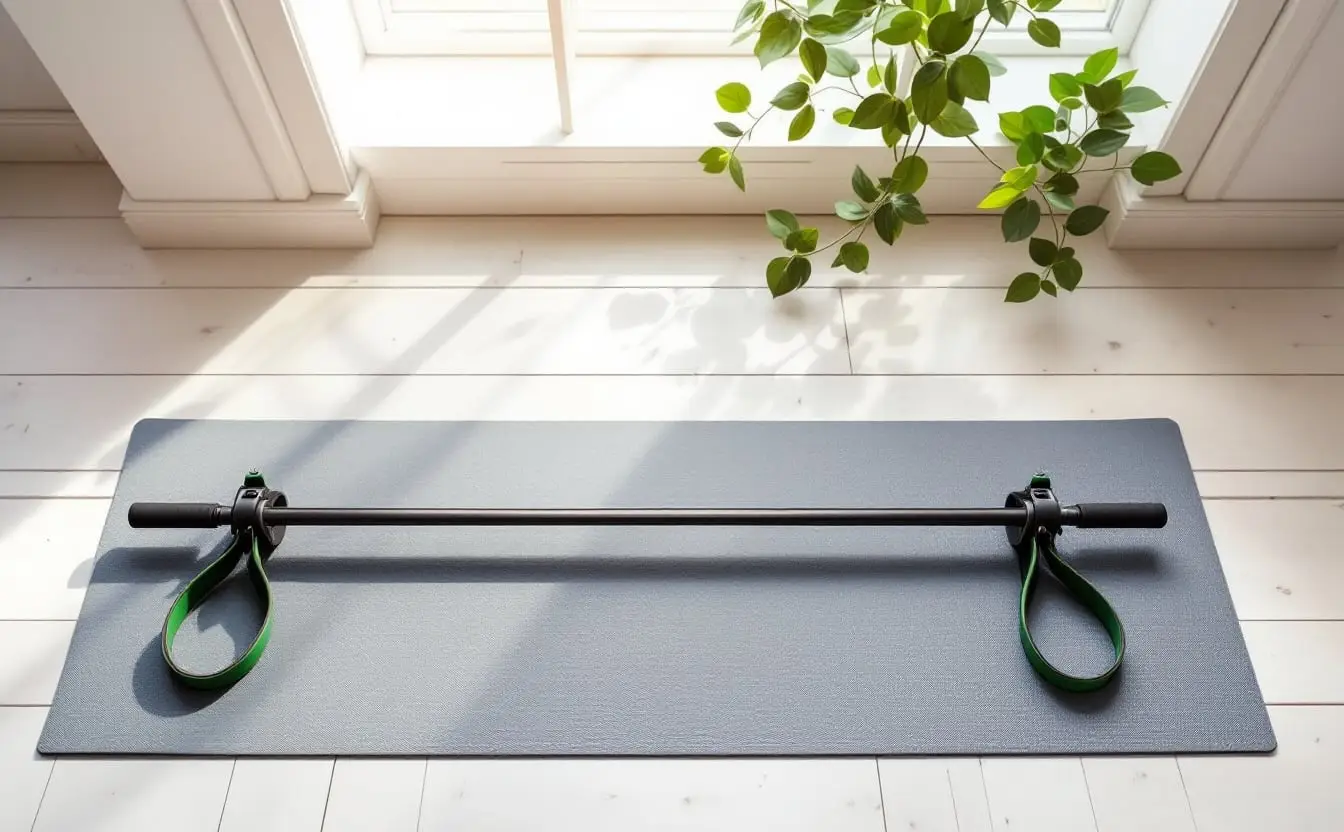
A Pilates bar is either a take-apart bar with bands or a slim weighted body bar. How to choose each, which bands or weight to start with, and six exercises.
What you need for Pilates at home: start with a thick mat, then add a ring, a small ball, loop bands and grip socks, in that order, and skip the gimmicks.
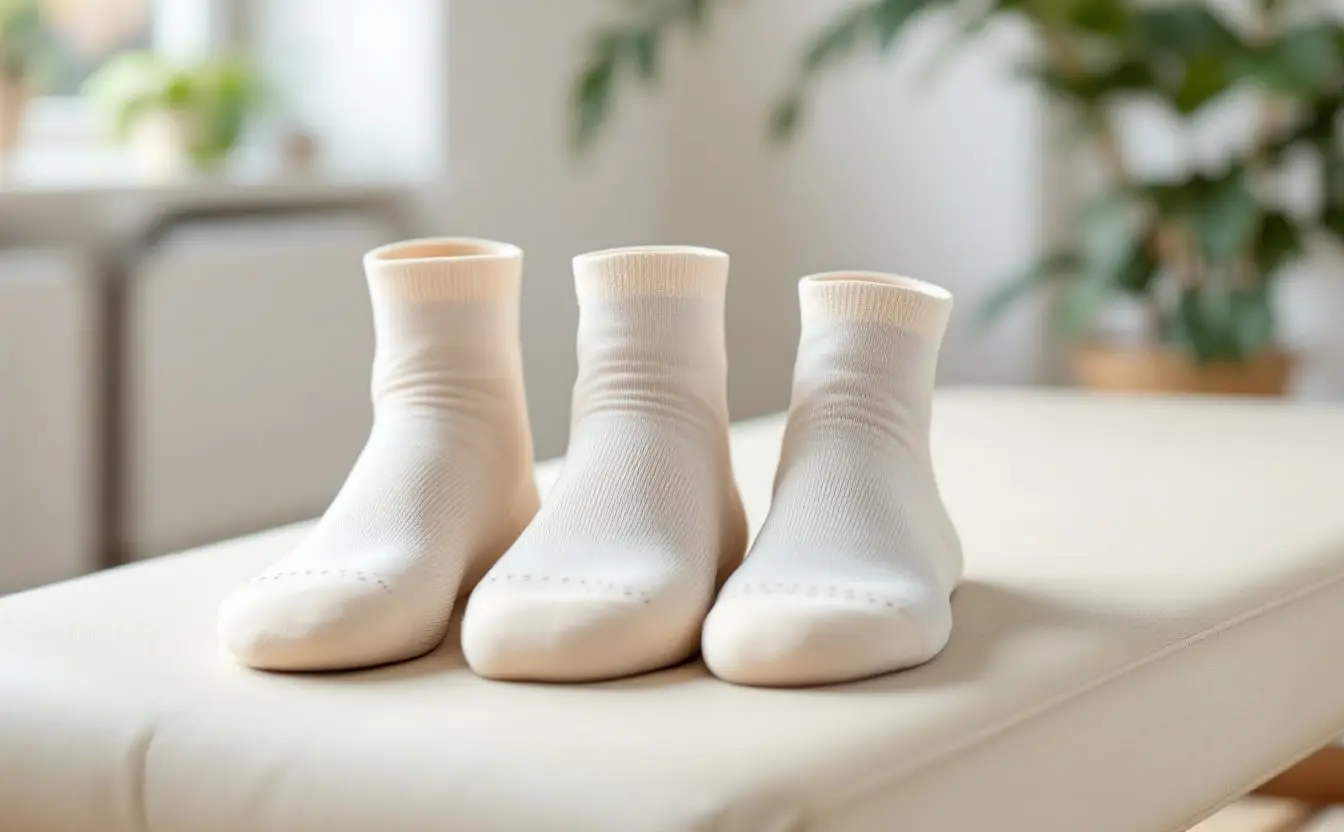
Why reformer studios ask for Pilates grip socks, when bare feet are fine, toe, full-toe or strappy styles, how to size them and wash them so the grip lasts.
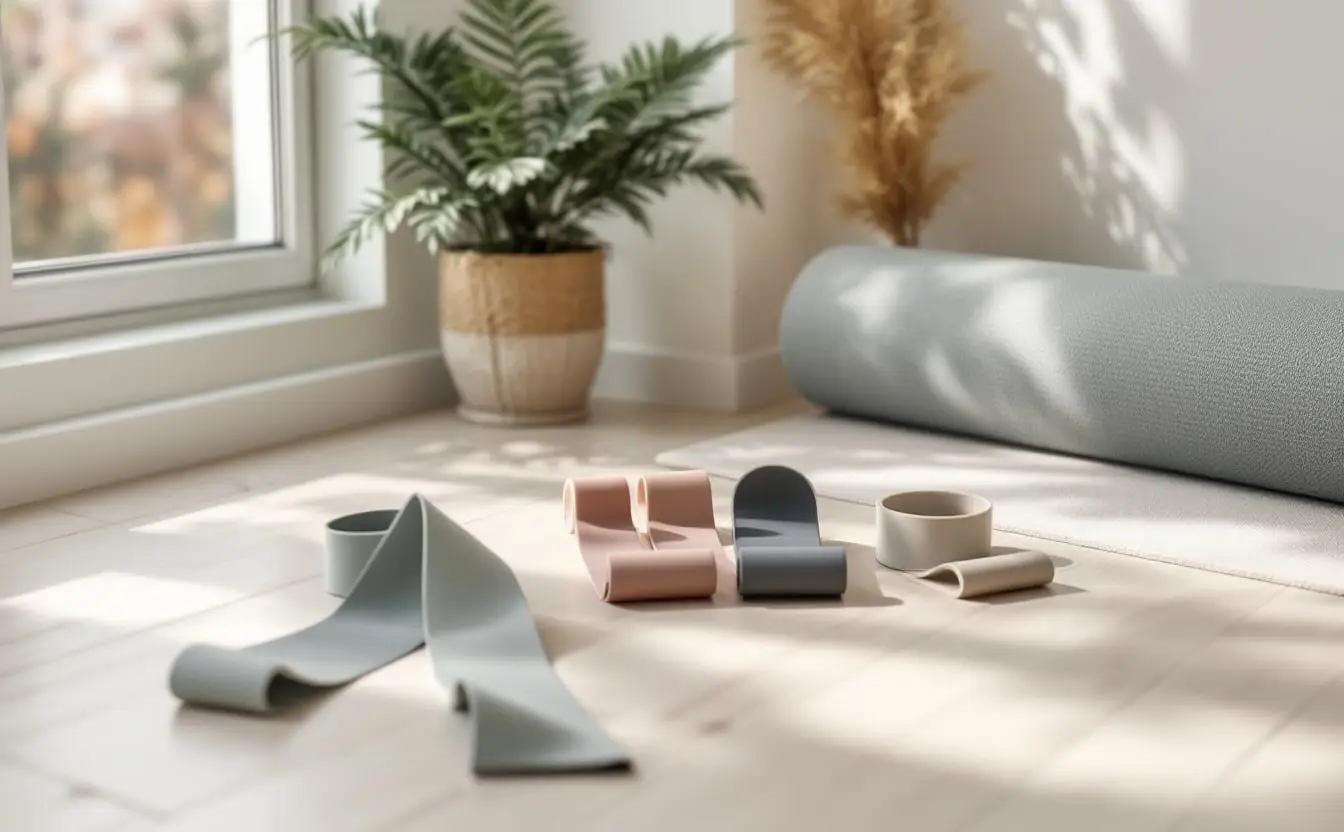
Loops, fabric bands, long flat bands or tubes with handles: how to choose a resistance band set for Pilates at home, which strengths to buy and what to skip.
A worked guide to pricing Pilates privates, duets, small apparatus groups and mat classes, from rent and equipment to teacher pay, packs and intro offers.
A beginner-friendly classical mat order you can do at home in about twenty minutes, with reps, what to feel, common mistakes and simpler options for each.
How Pilates survived aerobics, step and spinning: dancers, physiotherapists, a 2000 court ruling that made the name generic, and the long reformer boom.
Loops, long flat bands or tubes with handles: which band suits home Pilates, how strengths work, how to look after them, and a 25-minute session to try.
What one teacher can and cannot see in a reformer class of ten or twelve, where spring changes go wrong, and when a small group or private is the better buy.
What separates good Pilates apparatus from poor: frames, springs, straps, upholstery, wood versus aluminium, home-built machines and the safety checks to run.
Why Pilates teachers join guilds and associations, what the Pilates Guild does for one classical lineage, and how a teacher chooses the right group to join.
Weekend Pilates courses versus comprehensive training: why thin training matters, what clients can ask a teacher, and how experienced teachers can help.
A ten-point plan for clearing out a Pilates studio, from a props audit and smarter storage to cleaning routines, room flow and the digital mess behind it.
How good Pilates teachers decide when a client is ready for the next exercise, from readiness signs to springs, tempo and transitions, and why slow works.