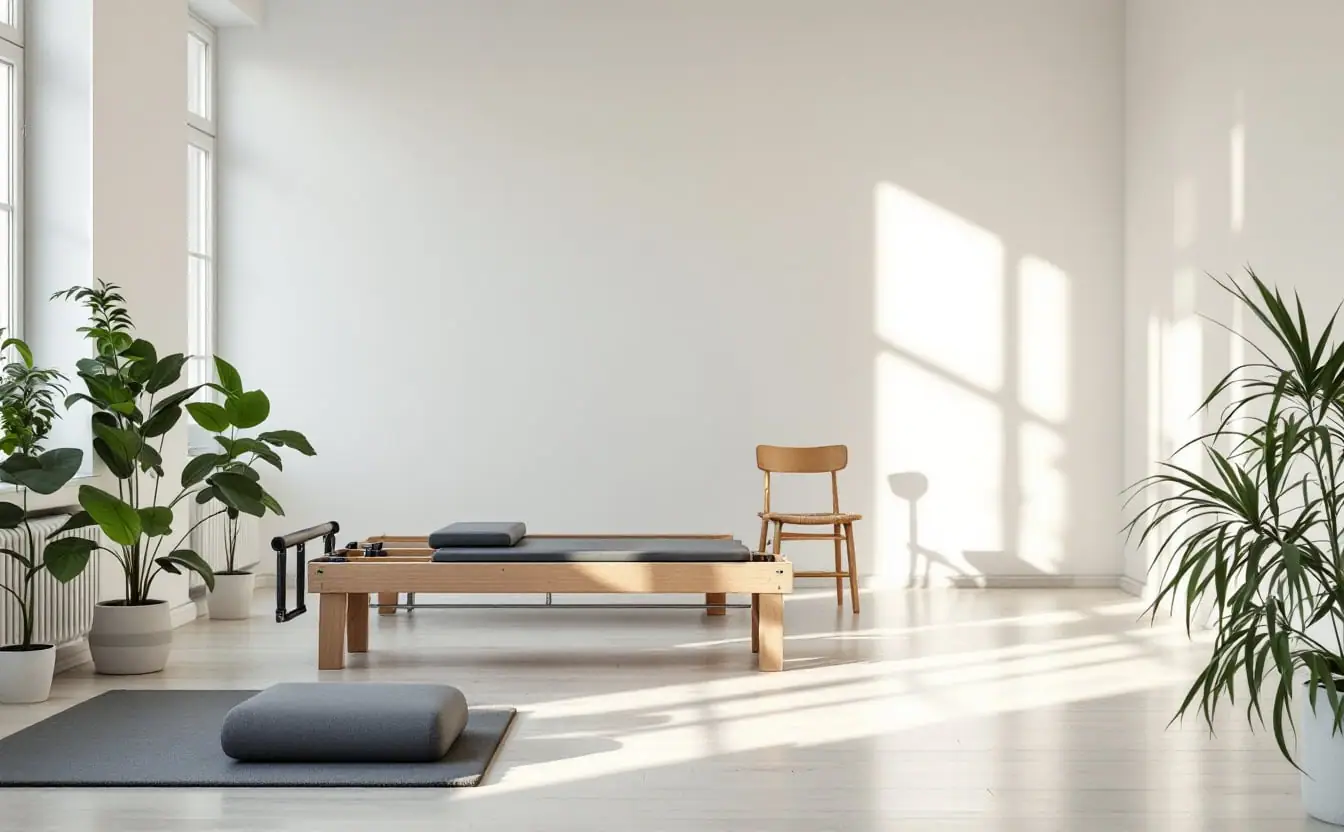
Why Pilates outlasted aerobics, step and every other fad
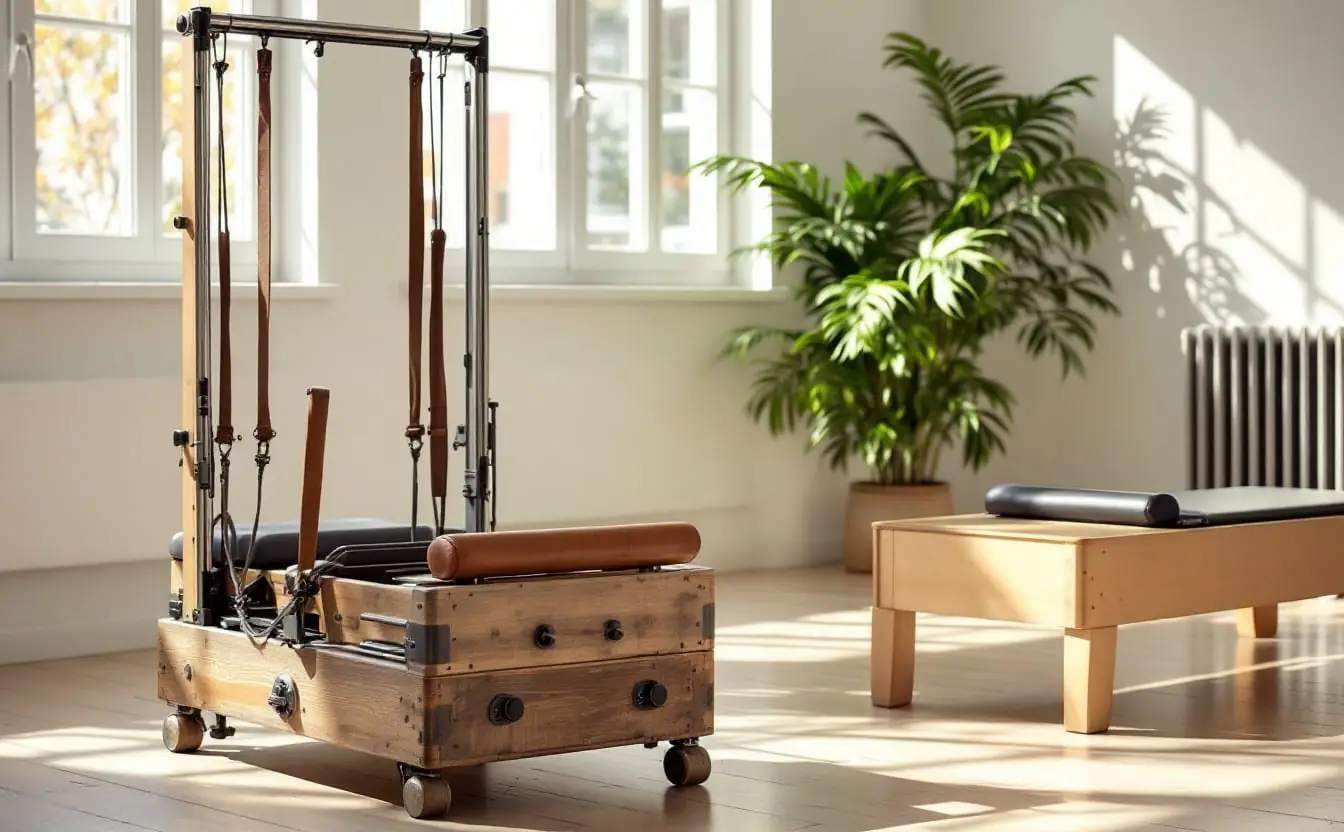
Fitness has a short memory. Every decade or so a new kind of class fills every hall in town, sells its own kit and videos, then shrinks to a single Tuesday afternoon slot. Pilates has lived through every one of those cycles and come out bigger each time. That is unusual enough to need explaining.
Pilates has had fashionable phases, several of them. The difference is that underneath each wave sat something that did not depend on fashion: a large body of exercises with a long history, a teaching lineage that kept it intact, and groups of people who needed it for practical reasons rather than novelty.
A method older than the fads
Joseph Pilates was already in his forties when he and Clara opened their New York studio in the mid 1920s. He had worked out his ideas in Germany and during his internment in the First World War, much of it spent on the Isle of Man, and he went on refining a system of mat work and apparatus for another four decades. He called it Contrology. By his death in 1967 the method had two books behind it (Your Health in 1934 and Return to Life Through Contrology in 1945), a full repertoire on the reformer, Cadillac, chairs and barrels, and students ready to carry it on. For the longer story, see our piece on a century of Pilates.
Compare that with the arc of most fitness trends. Aerobics took its name from Kenneth Cooper's 1968 book and became a mass movement through the classes and home videos of the 1980s. Step classes grew up in the late 1980s. Indoor cycling under the Spinning name was developed in California in the same period and spread through gyms in the 1990s. Each was a good idea. Each was also, at heart, one idea: a format, a piece of kit, a soundtrack. Pilates walked into every one of those decades with hundreds of exercises already in place.
Dancers kept the studio full
The first group to take up the method in numbers was the New York dance world. Dancers came to the studio to recover from injuries and to build strength their technique classes did not give them, and choreographers including George Balanchine and Martha Graham are widely reported to have sent dancers there. Dancers are demanding clients. They notice detail, they train daily and they talk to each other, which gave the method a reputation for precision long before most people had heard of it.
Dance also produced the teachers who mattered next. Romana Kryzanowska, who kept the New York studio going after Joe's death, trained as a ballet dancer. Kathy Grant taught for many years at New York University's Tisch School of the Arts. Ron Fletcher, who had danced with Martha Graham's company, opened his own studio in Beverly Hills in the early 1970s. Each passed the work on to students who opened studios of their own, so the second generation of teachers inherited a method and a set of standards, not a brand.
Physiotherapists gave it a second home
The other group that kept Pilates alive through the aerobics years was clinical. From the 1980s, physiotherapists and sports medicine clinics began using Pilates-based exercise in rehabilitation, partly because so much of the repertoire can be done lying down, with springs that assist a weak movement as well as resist a strong one. A sports and dance medicine centre at a San Francisco hospital was running a Pilates-based programme by the late 1980s. Some long-running studios date from that period too: Jennifer Stacey, for example, has run Peak Performance Pilates in the Bay Area since 1989.
Being useful in a clinic is very different from being fashionable. Nobody stops needing to recover from knee surgery because the music has changed. The research has since been mixed but broadly encouraging: trials of Pilates for chronic low back pain have generally found modest improvements in pain and function, roughly what you would hope for from well-taught exercise. That steady clinical audience gave the method customers in every decade, whatever the gyms were doing.
The court case that opened the doors
The single most important event in the method's spread happened in a courtroom. During the 1990s, a company holding trademarks on the word 'Pilates' tried to stop others using it for classes and equipment. In October 2000, in Pilates, Inc. v. Current Concepts, a federal court in New York ruled that 'Pilates' is the generic name of an exercise method, in the way that yoga or karate is, and that the trademarks were invalid.
The effect was immediate and large. Anyone could now teach Pilates, call it Pilates, write about it and build equipment for it. Training schools multiplied, equipment makers grew, and gyms put mat classes on their timetables. That openness brought problems of its own, chiefly the very uneven quality of teacher training. It is also the reason the word appears on timetables from village halls to city gyms instead of belonging to one studio.
Booms, fads and the method side by side
| Period | Wider fitness world | Pilates |
|---|---|---|
| 1920s-1960s | Physical culture and calisthenics | Joseph and Clara Pilates teach in New York; dancers form the core clientele |
| Late 1960s-1980s | Aerobics named in 1968, then aerobics classes and home videos | First-generation teachers open their own studios; dance medicine takes an interest |
| Late 1980s-1990s | Step classes, then indoor cycling | Pilates enters rehabilitation; structured teacher training spreads |
| 2000s | Gym chains and fitness DVDs | A 2000 US ruling makes 'Pilates' generic; mat classes reach gyms and leisure centres |
| 2010s-2020s | Boutique studios, interval training, online classes | Reformer studios and large group reformer classes spread widely |
The 2000s boom and the reformer boom
The early 2000s were the method's first true mass-market moment. Mat classes went into gyms and leisure centres, DVDs sat beside the supermarket tills, and magazines treated Pilates as the exercise of the moment. By the usual logic of fitness fashion, that should have been the peak before the fall.
Instead it settled into ordinary life. The mat classes stayed. The teachers who trained during the boom kept teaching. Then a second wave arrived in the 2010s and 2020s around the reformer, with boutique studios, bigger group classes and short videos on social media. The large group format has its critics, and I have written about what one teacher can see in a class of ten, but it has also introduced the apparatus to people who would never have booked a private session.
Why it keeps lasting
Strip away the marketing and three things explain the staying power. The method is broad: it can be taught on a mat in a church hall or in a fully equipped studio, to a dancer or to someone rebuilding strength after an operation, gently or hard. It travels across ages, which matters as more people stay active into their seventies and eighties. And it has a lineage, so that when the popular version drifts there are always teachers who can show you the original order and the reasons behind it.
If you want to see this for yourself, take one class in each format over a month: a mat class, a group reformer class and a private. Then look for what stays the same in all three, which is the breath, the slow controlled return of the leg or the carriage, and the instruction to lengthen before you lift. That shared core is the part the fads never had.