Yoga blocks for Pilates: foam, cork or bamboo, and how to use one
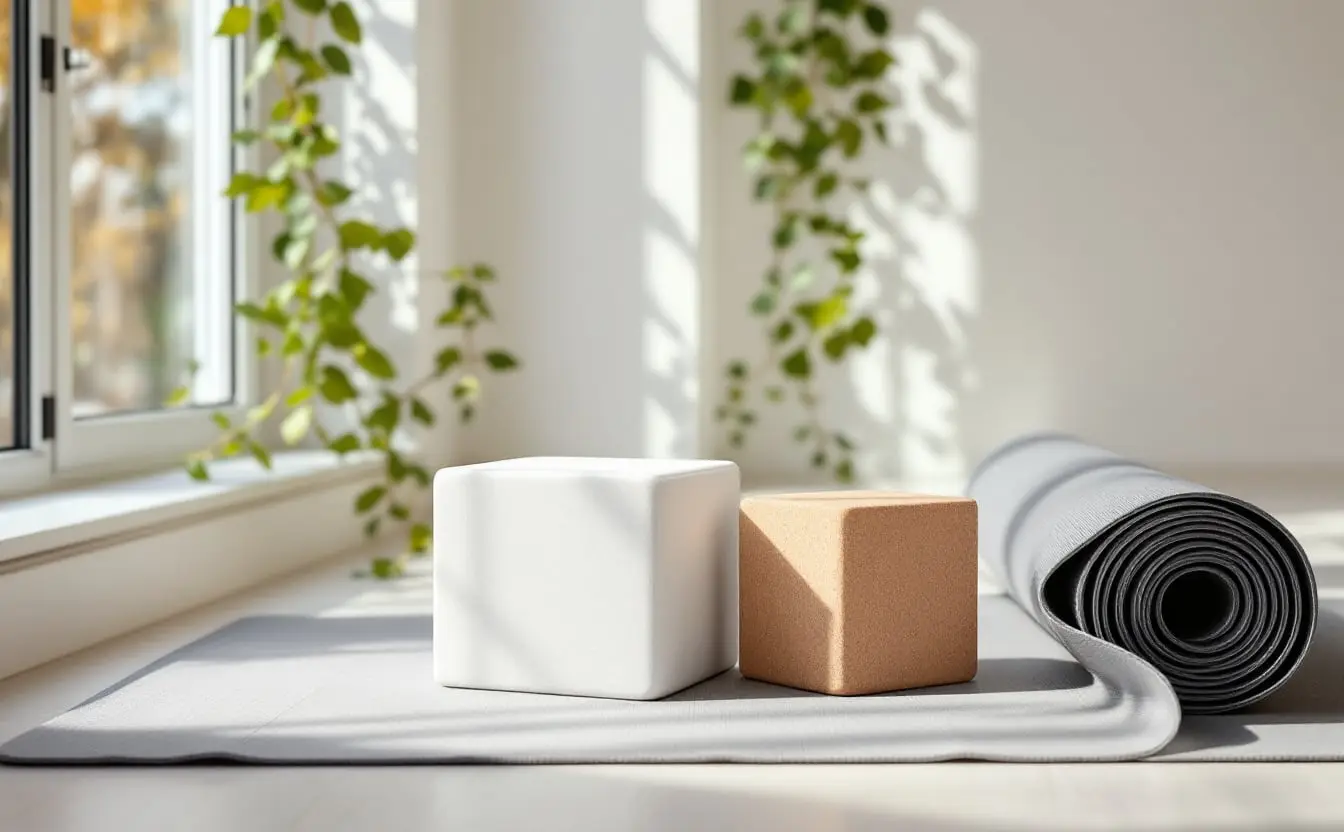
How to choose a yoga block for Pilates: foam, cork or bamboo, the standard 4 x 6 x 9 size, four ways to use one on the mat, and four blocks to consider.
Pilates, mobility and everyday fitness
 On the mat this weekBuying a Pilates machine for home: reformers, cords and space

Imogen came to Pilates through a stubborn lower back and stayed for the apparatus. She writes about the classical repertoire, the history of the method and the teachers who carried it from one studio in New York to the rest of the world.
How to choose a yoga block for Pilates: foam, cork or bamboo, the standard 4 x 6 x 9 size, four ways to use one on the mat, and four blocks to consider.
The Hundred opens the classical Pilates mat order. Why it comes first, how to breathe and pump, where the head and legs go, common faults and easier versions.
Joseph Pilates invented the method and called it Contrology. Who he was, when it took shape, what he built, and where the legend runs ahead of the record.
Ten deep core exercises, from the dead bug and bird dog to standing Pallof presses and carries, with easier and harder options and a short standing routine.
Twelve beginner mat Pilates exercises with set-up, reps, what to feel and easier or harder options, plus how long and how often to practise at home.
Mat or reformer for your first Pilates classes: what each teaches, rough UK costs, class formats, a side-by-side table and who is better off starting where.
Experienced teachers who study the classical Pilates order from the start often find familiar exercises make new sense. What changes, and how to study it.
Anatomical cues, imagery and outcome cues, minimal versus wordy teaching, and a practical way for Pilates teachers to build cues that really change movement.
Who the Pilates elders were, what it means to call a teacher second generation, and how lineage still shapes the way an exercise is taught in a studio.
Classical and contemporary Pilates differ on order, springs, spine position and transitions. What each tradition keeps, what it changed, and the reasons why.
Joseph Pilates defined Contrology as complete coordination of body, mind and spirit, and the phrase means more, and asks more, than a wellness slogan.
A reader's guide to Bess Mensendieck's 1906 book Body Culture for Women: what it argued, how its exercises and photographs work, and where its ideas went.
Kneipp's water cures, Mensendieck's exercises for women and Steiner's eurythmy are often linked to Joseph Pilates, but only one link really holds up.
Studio biographies say Joseph Pilates beat asthma and rickets as a boy, but the story comes from later interviews and the evidence behind it is thin.
Romana Kryzanowska learnt from Joseph Pilates as a teenage dancer and kept his studio and classical system going for decades after his death in 1967.