Deep core exercises that work the muscles under your abs
Some links in this story go to Amazon and to other shops, and we may earn a commission from them. As an Amazon Associate I earn from qualifying purchases.
Ten deep core exercises, from the dead bug and bird dog to standing Pallof presses and carries, with easier and harder options and a short standing routine.
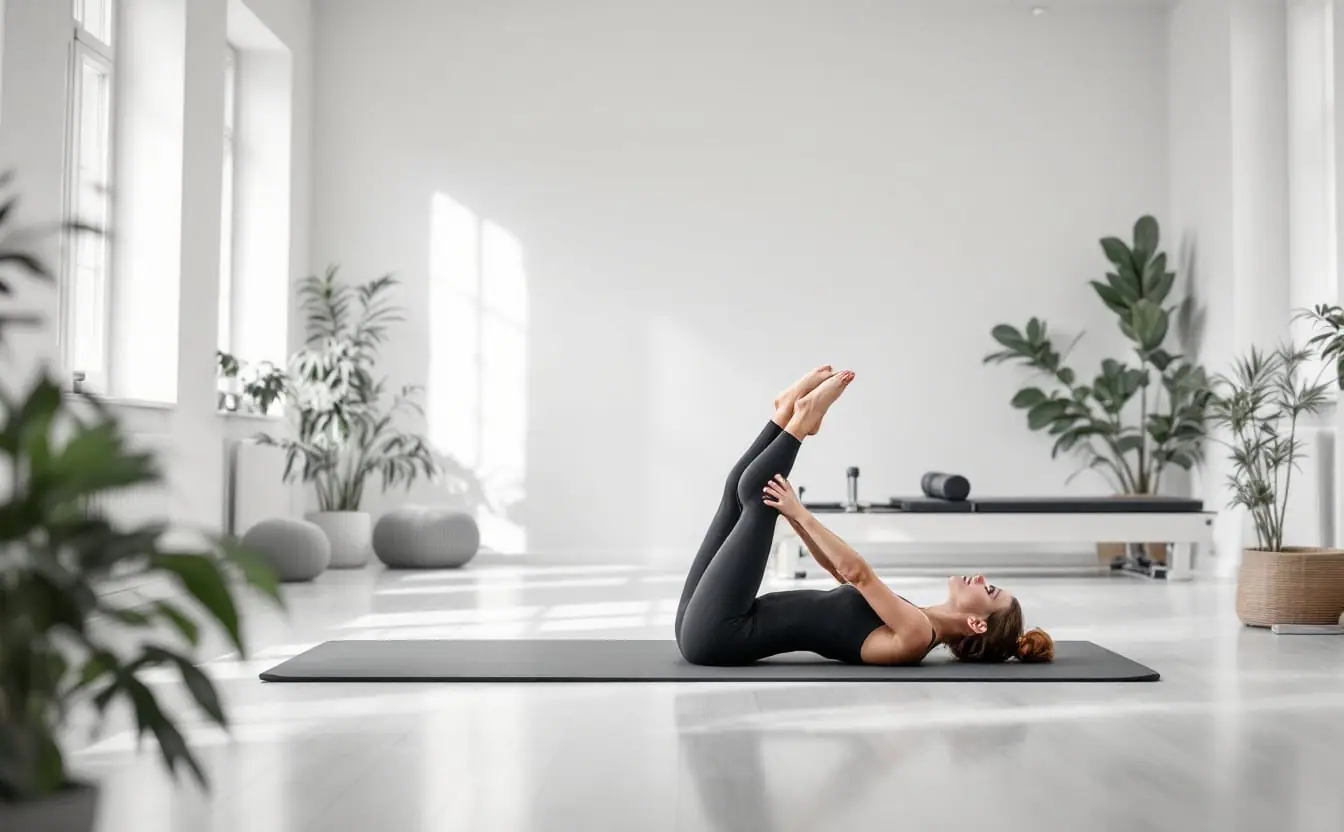
The best deep core exercises are slow, controlled moves that ask your trunk to stay steady while your arms and legs do something else. The dead bug, the bird dog, heel slides and a side plank from the knees are the classic starting points. They train the deepest abdominal layer, the small muscles along the spine, the diaphragm and the pelvic floor together, which is what you rely on to lift, carry and catch your balance.
Crunches mostly train the outer layer, the one that curls you forward. That has its uses, but it is a different job. Below you will find a short explanation of the deep core, ten exercises (six on the floor, four standing) with an easier and a harder option for each, and a ten-minute standing routine for days when getting down to the floor does not appeal.
What the deep core is
Four groups of muscles do most of the work:
- Transversus abdominis, the deepest abdominal layer. Its fibres run horizontally round the waist, and it tightens like a wide belt when you cough, laugh or get ready to lift.
- Multifidus, a chain of short muscles close to the spine, each spanning a few vertebrae. They help steady each segment as you bend and twist.
- The diaphragm, the main breathing muscle, at the top of the trunk. It works with the abdominal wall to manage pressure inside the trunk.
- The pelvic floor, at the base, which supports the pelvic organs and moves in rhythm with the breath.
Around them sit the obliques, the rectus abdominis (the six-pack), the long back muscles and the hips, which make the bigger movements. Javier Llorens's piece on what the core really is explains how the layers fit together and why they matter more with age. This one is practical: which exercises reach the deep layer, and how to do them well.
Kit list
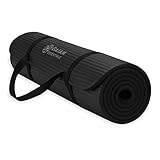 Gaiam 10 mm thick matBest for: rolling on hard floors$24.76 Amazon price as of 22 Oct 2026, 16:32 UTCSee it on Amazon (Gaiam 10 mm thick mat)
 ProBody 14-inch Pilates ringBest for: a first ring$23.95 Amazon price as of 22 Oct 2026, 16:32 UTCSee it on Amazon (ProBody 14-inch Pilates ring)
Product prices and availability are accurate as of the date/time indicated and are subject to change.
We may earn a commission from these links. As an Amazon Associate I earn from qualifying purchases.
How to find your transverse abdominis
Most transverse abdominis exercises start with the same small skill. Lie on your back with knees bent and feet flat, and put your fingertips just inside the bony points at the front of your hips. Cough gently and you will feel the muscle firm under your fingers. Now make the same firmness happen slowly as you breathe out, as if drawing the lowest part of your belly an inch (2 to 3 cm) away from your waistband. The ribs stay soft. You should still be able to breathe and talk.
That light draw is what "engage your core" means in most Pilates and physio-led classes. It is not sucking the stomach in, and it is not a full brace. Breathing wide into the ribs while you hold it takes practice, and our guide to lateral breathing shows how. When you lift or carry something heavy you will brace harder without thinking about it, which is fine, as long as you keep breathing.
Ten exercises for the deep core
Work through them in order the first few times. The floor exercises come first because control is easier lying down.
1. Heel slides
Lie on your back, knees bent, feet flat, with a small natural curve under your lower back. Breathe out, draw the lower belly in lightly, and slide one heel along the floor until the leg is straight. Breathe in and slide it back. Do 8 to 10 each side. The pelvis should not rock or tip as the leg moves. Easier: slide the heel only halfway. Harder: hover the heel just above the floor as it travels out and back.
2. Pilates toe taps
Lie on your back with both legs in tabletop, knees over hips and shins parallel to the floor, arms by your sides. Breathe out and lower one foot to tap the toes on the mat, keeping the knee angle the same. Breathe in to lift it back. Alternate for 8 to 10 each side. You should feel the lower abdominals working to stop the back arching as the leg lowers. Easier: keep one foot on the floor and lift and lower the other only. Harder: lower both feet together, or open the knee angle a little so the leg is longer.
3. Dead bug
Lie on your back, legs in tabletop, arms reaching straight up above your shoulders. Breathe out and lower one arm overhead and the opposite leg towards the floor, stopping before your lower back starts to lift. Breathe in to return, then switch. Do 6 to 8 each side. Opposite limbs move while the trunk stays still, which is exactly the skill you want. Easier: move only the legs, or only the arms. Harder: straighten the leg fully as it lowers, or slow it to four counts out and four back.
4. Chest lift
Lie on your back with your hands behind your head. Breathe out, draw the lower belly in and curl your head and shoulders up until the tips of the shoulder blades leave the mat. Breathe in at the top, breathe out to lower. Do 8 to 10. The deep layer keeps the belly flat while the outer abdominals curl you up: if your belly domes upward along the midline, lift less. Easier: rest your head on a folded towel and lift only a little. Harder: at the top, turn the ribs gently towards one knee, back to centre, then towards the other.
5. Bird dog
Come onto hands and knees, hands under shoulders and knees under hips, spine long. Breathe out and reach one arm forward and the opposite leg back until both are level with your trunk. Hold for a breath, return, and switch. Do 6 to 8 each side. The test is the pelvis: it should stay level, as if a cup of tea were resting on your lower back. Easier: move only the leg, keeping both hands down. Harder: hold each reach for three breaths, or draw elbow and knee together under you before reaching out again.
6. Side plank on knees
Lie on your side, propped on your forearm with the elbow under the shoulder, knees bent behind you so your body makes a line from head to knees. Breathe out and lift the hips. Hold for 15 to 30 seconds, breathing steadily, then lower. Do 2 or 3 holds each side. Feel the side of the waist and the outside of the hip working. Easier: hold for 10 seconds and build up. Harder: straighten the legs and stack the feet for a full side plank.
7. Pallof press
Anchor a resistance band at chest height (a door anchor in a closed door works, or a solid post) and stand side-on to it, holding the band at your breastbone with both hands. Step away until there is tension. Breathe out and press the hands straight forward, refusing to let the band twist you towards the anchor. Hold for two breaths and bring the hands back. Do 8 to 10 each side. The obliques and deep abdominals work to keep you square. Easier: stand closer to the anchor or use a lighter band; the resistance band chart helps if you are unsure which strength to pick. Harder: step further away, or kneel on one knee.
8. Standing march with brace
Stand tall, feet hip-width apart, hands on your hips or resting on a chair back. Draw the lower belly in and lift one knee towards hip height, lower it, and lift the other. March slowly for 30 to 60 seconds. The hips stay level and the trunk upright, without leaning back as the knee rises. Easier: lift the knee only a few inches and keep a hand on the chair. Harder: pause for two seconds with each knee up, or hold a light weight in both hands at your chest.
9. Standing side bend
Stand with feet hip-width apart and a light dumbbell or a full water bottle in one hand. Breathe out and bend directly sideways towards the weight, sliding the hand down the outside of the thigh, without leaning forward or back. Breathe in and use the opposite side of your waist to bring you upright. Do 8 to 10, then swap hands. Feel the obliques on the side away from the weight doing the lifting. Easier: no weight, hands on hips, small range. Harder: a heavier weight, moved slowly.
10. Farmer carry
Hold a weight in each hand (dumbbells, kettlebells or two equally full shopping bags) and stand tall with your shoulders down. Walk slowly for 20 to 40 steps, trunk upright and breath steady, then bend your knees to put the weights down. Rest and repeat 2 or 3 times. Start with something you could carry for a minute without strain. Easier: lighter weights, fewer steps. Harder: carry a weight in one hand only, a suitcase carry, which asks the side of the waist to stop you leaning.
Best exercises for core: where to start
If you only have time for a few, choose by what you want the trunk to do.
| If you want to | Start with | Then progress to |
|---|---|---|
| Learn to feel the deep layer | Heel slides, toe taps | Dead bug |
| Keep the spine steady on all fours | Bird dog, leg only | Bird dog with holds |
| Strengthen the sides of the waist | Side plank on knees | Full side plank, suitcase carry |
| Resist twisting | Pallof press close to the anchor | Pallof press further away, half kneeling |
| Train without getting on the floor | Standing march | Farmer and suitcase carries |
Standing ab exercises: a ten-minute routine
Standing ab exercises suit anyone who finds the floor awkward, and they are closer to how the trunk works in daily life. This routine uses exercises 7 to 10 plus a minute of breathing.
- Standing breath, 1 minute. Hands round your lower ribs, six slow breaths into the sides, lower belly drawing in on each out-breath.
- Standing march with brace, 1 minute.
- Pallof press, 8 each side, twice through.
- Standing side bend, 8 each side.
- Farmer carry, 3 rounds of 30 steps, then one suitcase carry with each hand.
- Standing march again, 1 minute, slower than the first time.
How often to train the deep core
Two or three sessions a week of 10 to 20 minutes suits most people, choosing four to six of the exercises above or doing the standing routine. Progress one thing at a time: more repetitions, a longer hold, a heavier weight or a harder option, never all four at once. Pilates mat work covers much of the same ground, and several of the beginner mat exercises pair well with these.
See a physiotherapist before you start if you have pelvic floor symptoms such as leaking or heaviness, a ridge or doming down the middle of the belly after pregnancy, back pain that travels into a leg, or osteoporosis, which usually means limiting loaded forward curls such as the chest lift. The same goes for pregnancy and the months after giving birth. Pain is a reason to stop, not to push on.
Quick questions
Do planks train the deep core?
Yes. A plank asks the whole trunk to hold still, deep layer included. Several shorter holds with a level back are more useful than one long hold that sags at the end.
Do sit-ups work the deep core?
They mainly train the rectus abdominis and the hip flexors. For most people they are not harmful, but they do little to teach the trunk to stay steady while the limbs move, which is the deep core's real job.
The test that matters comes next time you carry the shopping in from the car: a bag in each hand, shoulders down, a breath out as you lift. If you can walk to the door without leaning or holding your breath, the work is paying off.