What Asian Pilates means and how it compares with mat Pilates
Some links in this story go to shops, and we may earn a commission from them.
Asian Pilates is an online trend label, not a method. What it usually means, what is new and what isn't, how it compares with mat Pilates and how to try it.
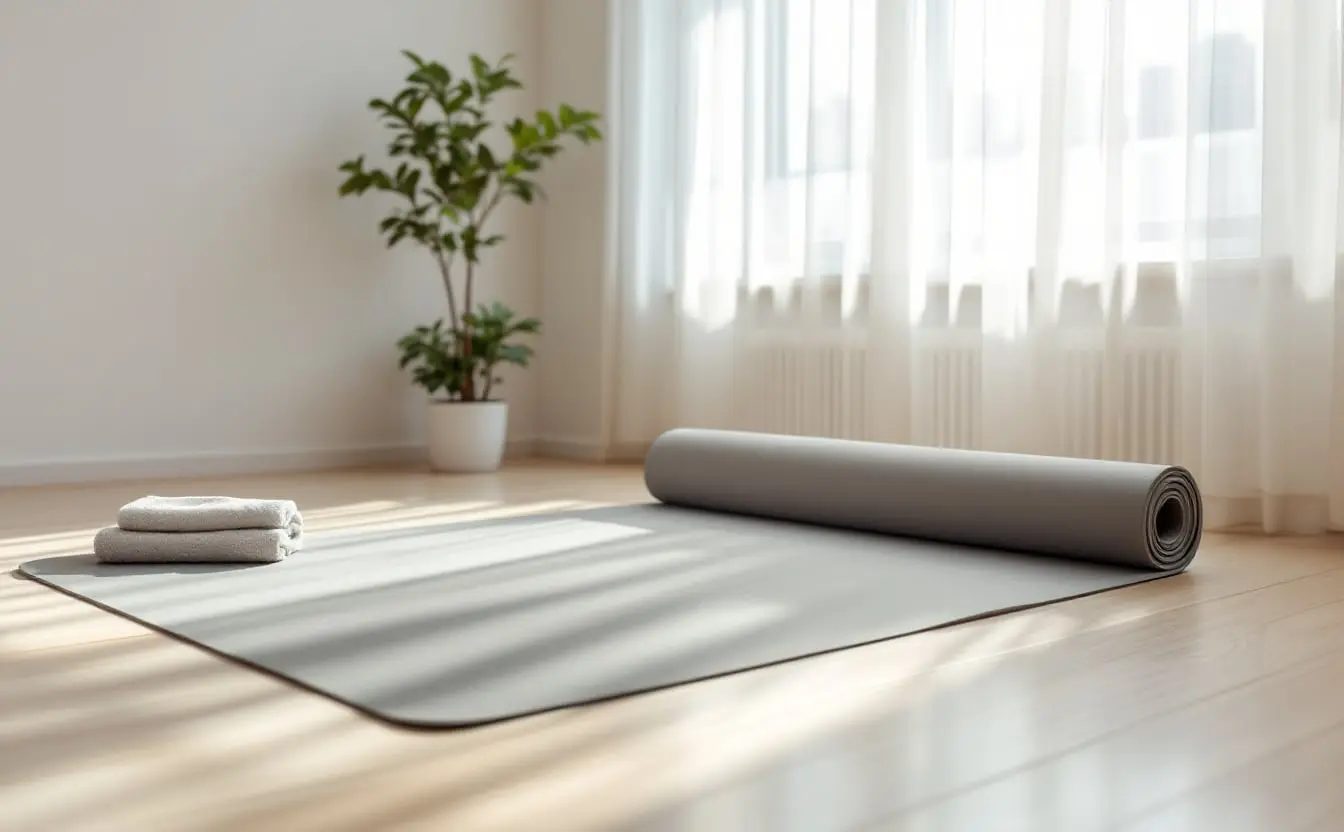
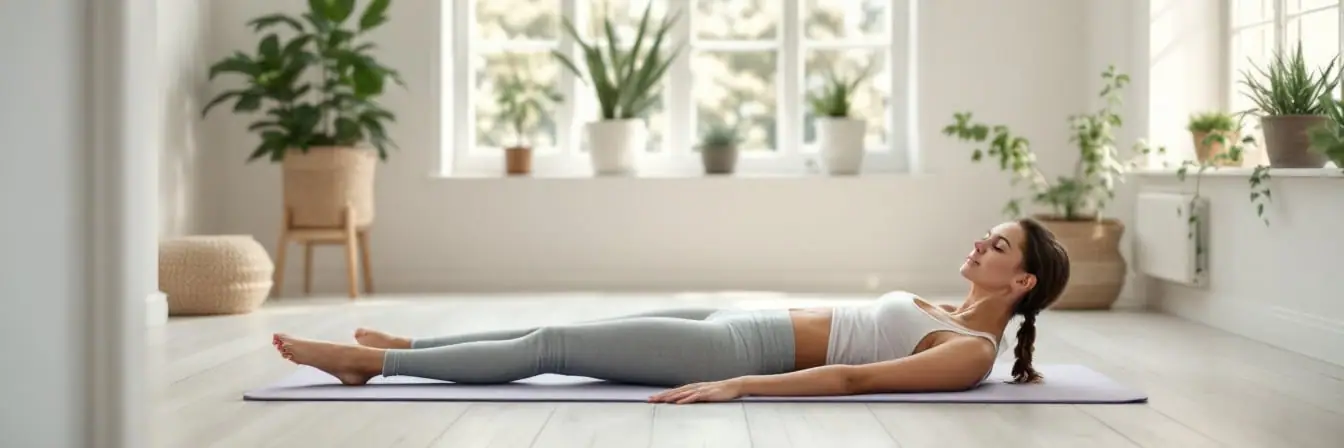
Asian Pilates is a label, not a separate method. It is used on social media and in fitness-app advertising for short, low-impact routines done on a mat with little or no equipment: slow leg lifts, bridges, small pulses, gentle core work and long stretches, usually filmed in calm, uncluttered rooms. There is no founder, no school and no teacher-training body behind the name, and most of the exercises are ones you would meet in an ordinary mat Pilates or floor-based fitness class.
That does not make the routines useless, and it does not make the people who enjoy them foolish. A quiet twenty minutes on the floor is a perfectly good way to spend part of an evening. But the label promises something more specific than it delivers, and some of the marketing around it leans on body-shape promises that no exercise can keep. What follows covers what the term usually means, what is genuinely new about it, how it lines up against classical mat work, and how to try it without getting hurt or sold a fantasy.
What is Asian Pilates?
Search the phrase and you will find follow-along videos, app programmes and month-long challenges that share a recognisable style. The sessions tend to be:
- short, often 10 to 30 minutes;
- low impact, with no jumping and little time spent standing;
- bodyweight only, with a mat and not much else;
- built from small, repeated movements for the legs, glutes and abdominals;
- slow and quiet, set to soft music, with a soft and tidy look.
Where the name came from is not clear. Pilates has large, enthusiastic followings in many Asian cities, as it does in London, Sydney and Los Angeles, and the label may borrow loosely from that. What it cannot do is describe a tradition. Asia is home to billions of people and a long list of movement practices, from yoga and tai chi to martial arts and folk dance. A set of glute pulses on a mat represents none of them, and no single body type represents anyone. You will also see labels built on a single country's name used in exactly the same way. Read all of them as descriptions of a format and a look, not of a lineage.
Kit list
- AIREX yoga and Pilates mat from Power SystemsBest for: a mat that wipes cleanSee it at Power Systems (AIREX yoga and Pilates mat from Power Systems)
- Power Systems yoga and Pilates rangeBest for: equipping a roomSee it at Power Systems (Power Systems yoga and Pilates range)
We may earn a commission from these links.
What is new, and what isn't
Very little in these routines is new as exercise. The side-lying leg lifts come from the Side Kick series in Joseph Pilates's mat work, published in Return to Life Through Contrology in 1945. Bridges, clams and kneeling leg lifts have been staples of physiotherapy gyms, aerobics videos and floor barre for decades. Low-impact routines for the legs and stomach, done on a living room floor, were a fixture of television fitness long before anyone filmed one on a phone.
What is new is the packaging. The videos are short, vertical and easy to follow without sound. App programmes break them into daily challenges with streaks and reminders. And the presentation sells a mood (calm, soft, unhurried) as much as a workout, which is a real draw for people who find loud gym classes off-putting. I don't think that part deserves to be sneered at. Plenty of people move more because a session looks gentle enough to start.
What tends to go missing is the method. Joseph Pilates designed his mat work as a system: a set order in which each exercise prepares the next, the spine bends forwards, backwards and sideways and twists in every session, and the breath drives the movement. Trend routines usually take a handful of shapes from that system and repeat them.
How it compares with classical mat Pilates
| Classical mat Pilates | Routines sold under the trend label | |
|---|---|---|
| Source | Joseph Pilates's 34 mat exercises, passed on through teacher lineages | Social media and app content; no single source |
| Structure | A set order, from basic to advanced | Varies by creator; often a playlist of similar moves |
| Spinal movement | Flexion, extension, side bending and rotation each session | Mostly flexion and hip work; little extension or twisting |
| Range | Full, controlled range | Often small pulses and holds |
| Breath | Coordinated with every exercise | Sometimes cued, often not |
| Feedback | A teacher watching and correcting | Usually none; you copy a screen |
| Progression | A clear path to harder exercises | More reps or a longer session |
The table describes typical examples, and every row has exceptions. Some creators teach careful, well-cued sessions under the trend label, and some classical classes are badly taught. The useful difference is structural. A classical session is designed to work the whole body in a balanced way and to get harder in a deliberate order, which is why classical teachers care so much about staying close to the original work. A playlist of leg pulses can build endurance in a few muscles, but it rarely asks the upper back to extend or the spine to rotate, and those are the movements most desk-bound bodies are short of.
If you want the foundations rather than the trend, our guide to mat Pilates exercises for beginners sets out twelve of them with easier and harder versions.
Does it work?
It depends on what you want from it. As a way to move most days, build a habit and develop some strength and endurance around the hips and trunk, a regular low-impact routine is likely to help, as most regular exercise does. Trials of Pilates in general have tended to find modest improvements in things like core endurance, flexibility and balance, though the studies vary in quality and none of them tested a social-media playlist.
As a way to change body shape, it is far weaker than the adverts suggest. You cannot remove fat from the thighs or stomach by working the muscles underneath, and no exercise makes muscles visibly longer. How a body looks depends heavily on genetics, age, food, sleep, hormones and total activity across the week, and Pilates sits at the light to moderate end of exercise intensity. Images that suggest otherwise are advertising. Our piece on Pilates before and after pictures explains why they mislead and how to track the changes that matter.
Six moves you will meet, and how to do them well
These six turn up in nearly every routine sold under the label. Done carefully, they are sound exercises. Move slowly, breathe out on the effort and stop before your form slips.
Bridge. Lie on your back with knees bent, feet flat and hip-width apart, arms by your sides. Breathe out and peel your hips up until there is a long line from knees to shoulders, then roll down slowly, upper back first. Do 8 to 10. You should feel the backs of the thighs and the glutes, not the low back. Easier: lift only a few inches. Harder: hold at the top and lift one heel at a time.
Side-lying leg lift. Lie on your side with your head on your lower arm, hips stacked and legs slightly forward of your body. Lift the top leg to hip height and lower it with control, 10 to 12 times, then change sides. You should feel the outer hip, with the waist long and the top hip still. Easier: bend the bottom knee for a wider base. Harder: add a slow sweep forward and back once the lift is steady.
Clam. Same side-lying position, knees bent to about 45 degrees and heels together. Open the top knee like a shell while the feet stay touching, then close. Do 10 to 15 each side. You should feel the back of the hip, not the front of the thigh. Easier: open only a little way. Harder: pause for three counts at the top.
Kneeling leg lift. Come onto hands and knees, wrists under shoulders and knees under hips. Keep one knee bent and press that foot towards the ceiling until the thigh is level with your back, then lower. Do 8 to 10 each side. You should feel the seat of the working leg, and the low back should not sag. Easier: rest on your forearms and lift lower. Harder: straighten the leg behind you and reach the opposite arm forward.
Inner thigh lift. Lie on your side, bend the top knee and rest it on a cushion in front of you. Lift the straight bottom leg a few inches and lower it, 10 to 12 times each side. You should feel the inner thigh of the lower leg. Easier: fewer repetitions with a rest between sets. Harder: hold each lift for a slow count of three.
Chest lift. Lie on your back, knees bent, hands behind your head and elbows wide. Breathe out and curl your head and shoulders off the mat, ribs sliding towards the hips, then lower. Do 8. You should feel the abdominals; if the neck aches, rest your head down between repetitions. Easier: keep one hand behind the head and reach the other towards your knees. Harder: hold the curl and lift one foot into tabletop.
Then add what most of these playlists leave out: a back extension such as Swan preparation, a gentle seated twist and a couple of minutes of standing balance.
How to try it safely
- Look for a named teacher with a stated training background. A comprehensive or mat certification from a recognised school is a good sign; a follower count tells you nothing.
- Start with 10 to 20 minutes two or three times a week, and notice how you feel the next day.
- Protect your neck. Routines that keep the head lifted for long stretches tire the neck before they train the abdominals. Put your head down whenever it aches.
- Watch your low back in leg lifts. If it arches or pinches, bend the knees or lift less.
- Cushion your knees and wrists. A thicker mat or a folded towel helps in kneeling work, and forearms spare sore wrists.
- Use the floor, not the bed. A mattress is fine for a slow stretch, but too soft to give you a stable base for anything harder.
- Skip any challenge that asks you to push through pain or promises a measurable change in a set number of days.
- Balance the week with some back extension and rotation, some standing work and something that raises your heart rate, such as a brisk walk.
If you are pregnant or in the months after giving birth, or you have osteoporosis, back or joint pain, or are recovering from an injury or operation, check with your doctor or a physiotherapist before starting, and ideally learn the basics with a qualified teacher in person. Pain that is sharp, spreads down a leg or lingers after a session is a reason to stop and get advice.
Questions people ask
Is Asian Pilates real Pilates?
Partly. The exercises often come from Pilates mat work or look very like it, but the routines rarely follow the method's order, breath or full range of spinal movement. Pilates-flavoured floor work is a fair description.
Do I need equipment?
No. A mat thick enough to cushion your spine and knees is enough. Some routines add a small ball or a loop band, which are optional extras.
Is it good for beginners?
Often, yes, because it is short and low impact. The catch is that nobody is watching you, so a few sessions with a qualified teacher before you go it alone will make every routine afterwards safer and more useful.
How is it different from wall Pilates?
Both are trend labels for Pilates-style home routines. Wall Pilates uses a wall for support and something to push against, and our guide to wall Pilates exercises looks at what that adds and what it doesn't.
If you try one of these routines tonight, add one thing at the end. Lie on your front with your hands under your shoulders and lift your chest a few inches, three slow times. It takes thirty seconds, and it gives your spine the one direction most of these playlists forget.