Metabolic health in plain words, and how muscle helps
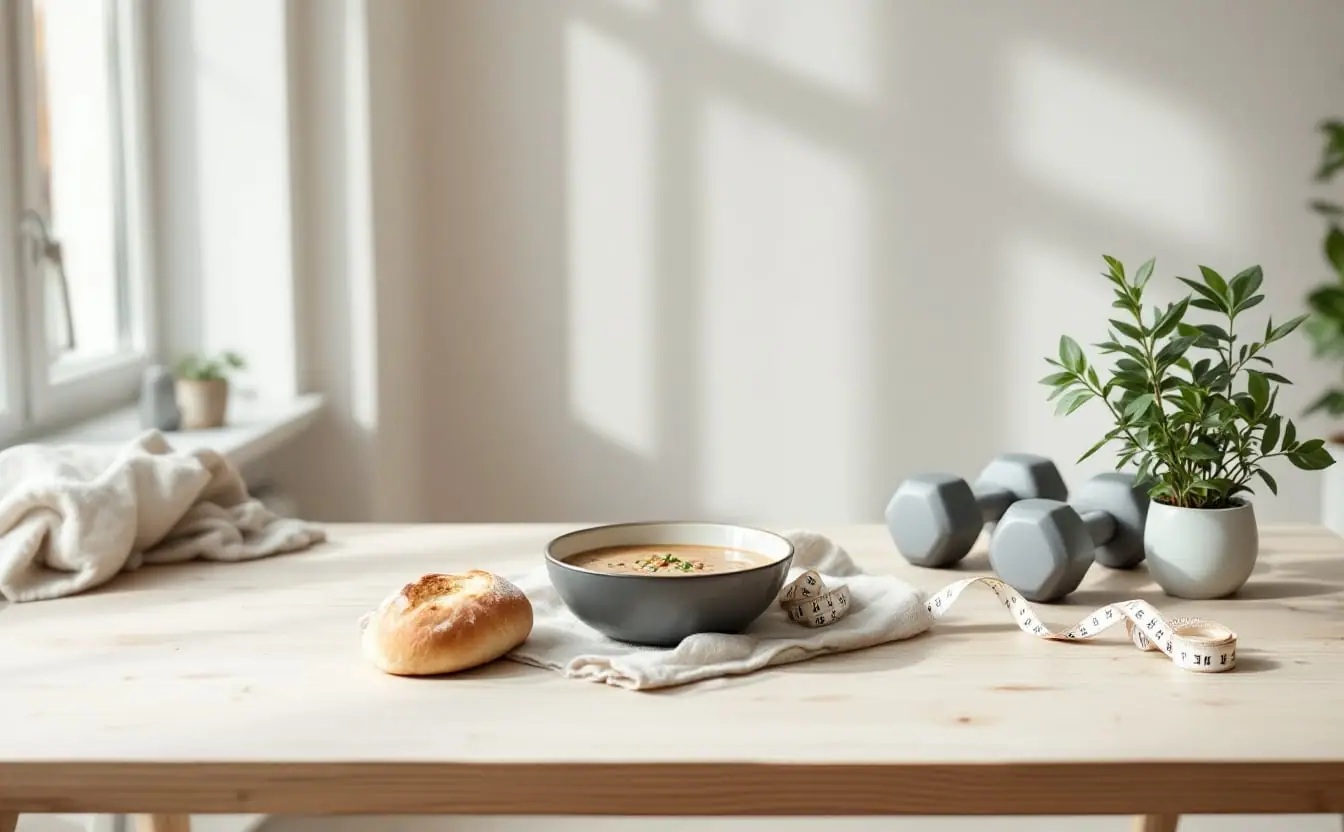
Metabolic health comes down to five ordinary measurements. What each one means, why muscle and daily movement help, and which food habits support them.
Pilates, mobility and everyday fitness
 On the mat this weekA twenty-minute classical mat sequence for your living room
Metabolic health comes down to five ordinary measurements. What each one means, why muscle and daily movement help, and which food habits support them.
Who the Pilates elders were, what it means to call a teacher second generation, and how lineage still shapes the way an exercise is taught in a studio.
Loops, long flat bands or tubes with handles: which band suits home Pilates, how strengths work, how to look after them, and a 25-minute session to try.
Five plant-based breakfasts for after an early class, from tofu scramble to chickpea flour pancakes, with quantities, method and approximate protein.
Classical and contemporary Pilates differ on order, springs, spine position and transitions. What each tradition keeps, what it changed, and the reasons why.
Sleep, posture awareness, stairs and energy: what regular Pilates tends to change first for everyday stiffness, what the evidence says, and how long it takes.
Two hip bones and the pubic bone form the triangle Pilates teachers use to find neutral. How to feel it lying, sitting and standing, and when to let it go.
What one teacher can and cannot see in a reformer class of ten or twelve, where spring changes go wrong, and when a small group or private is the better buy.
What separates good Pilates apparatus from poor: frames, springs, straps, upholstery, wood versus aluminium, home-built machines and the safety checks to run.
How lateral breathing works, why Pilates teachers cue it, how to practise with a band or your hands round your ribs, and when to stop worrying about breath.
Why the Teaser is the signature Pilates mat exercise, which earlier exercises prepare you for it, a step by step progression and the faults that stall it.
A Pilates certificate is where a teacher's education starts. Lessons, workshops, self-practice and reading keep good teachers improving for decades.