Why the rest day is part of the training, not a break from it
Fitness improves in the hours and days after a session, not during it. How rest and active recovery work, the signs you need more, and a sample week to copy.
Pilates, mobility and everyday fitness
 On the mat this weekA twenty-minute classical mat sequence for your living room
Mateo coached amateur runners and climbers in Valencia for years before he started writing. He covers mobility, recovery, sleep and the slow, unglamorous work that keeps joints happy, and he reads the research before he repeats it.
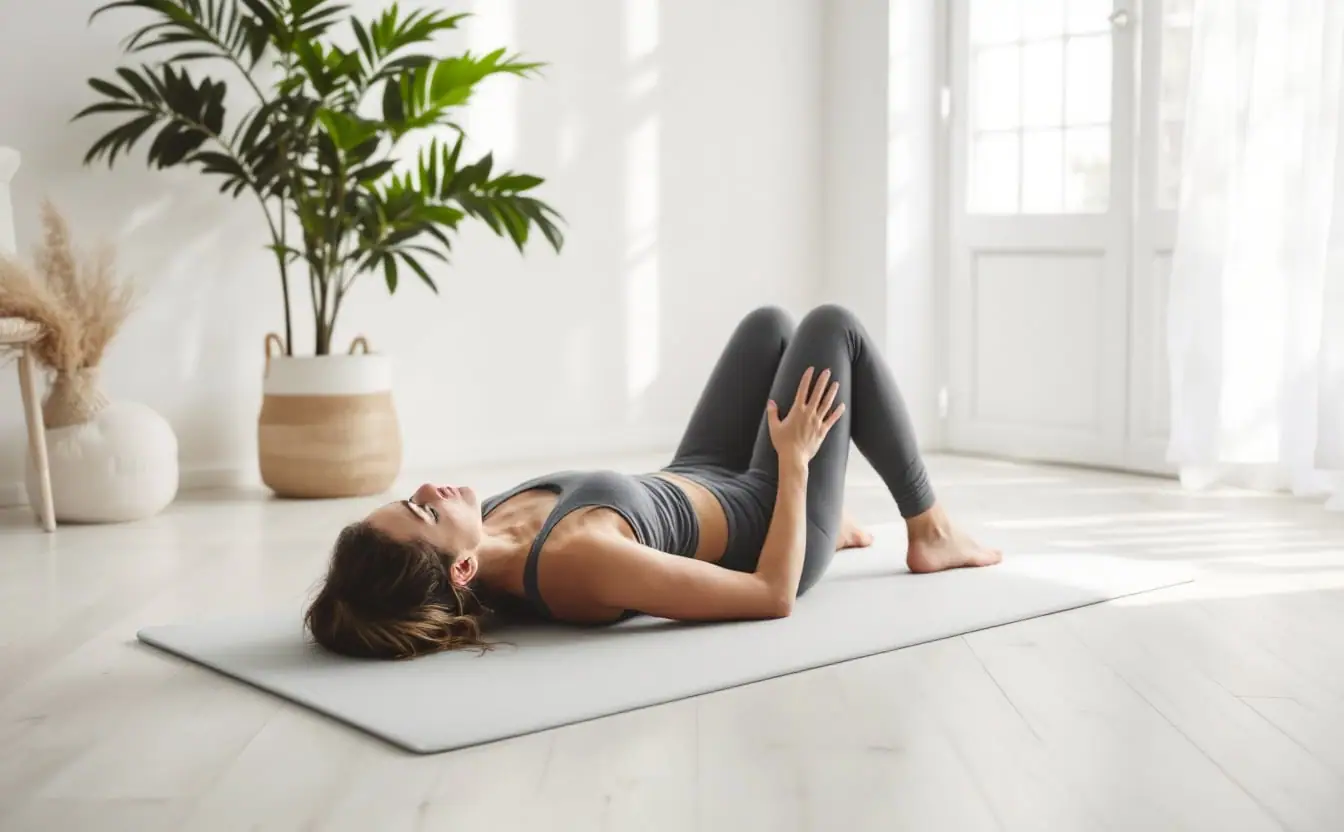
Fitness improves in the hours and days after a session, not during it. How rest and active recovery work, the signs you need more, and a sample week to copy.
A book is good at teaching Pilates order and set-up, but it cannot see you. How to learn at home with a written guide, a simple log and the occasional lesson.
Pilates asks for three to five repetitions where a gym asks for fifteen. Why the method keeps the numbers low, and how to make each of those few count.
Two hip bones and the pubic bone form the triangle Pilates teachers use to find neutral. How to feel it lying, sitting and standing, and when to let it go.
Why the Teaser is the signature Pilates mat exercise, which earlier exercises prepare you for it, a step by step progression and the faults that stall it.
A practical definition of fitness built on strength, stamina, mobility and balance, with simple tests to try at home and a plan to train for capability.
A ten-minute hip routine for desk days: eight simple moves with timings and easier options, why sitting leaves hips stiff, and how to fit it into work.
Your core is far more than your abs: diaphragm, pelvic floor, deep trunk and hip muscles. Why that matters as you age, and how Pilates trains all of it.