Being in shape is about what you can do, not how you look

For decades the fitness industry has sold one image of being in shape, and it really is an image: the flat stomach, the defined arms, the "after" photograph. It is a poor guide to what a body can do. Plenty of lean people cannot carry a suitcase up two flights of stairs without stopping. Plenty of people who will never be asked to pose for anything can move a sofa, walk all day in the hills and get up off the floor without a hand.
I prefer a working definition. Being in shape means you can meet the physical demands of your own life with something left over, and that something is enough to help another person. Carrying a sleeping child from the car to bed. Steadying a parent as they get up from a low chair. Helping a friend shift boxes on moving day and still being useful at the end of it. None of those shows up in a mirror.
What fitness is made of
Exercise scientists tend to break physical fitness into a handful of qualities. You do not need perfect scores in all of them, but a big gap in any one tends to show up in daily life.
- Strength: producing force, for lifting, carrying, pushing a heavy door, standing up from a chair.
- Stamina: keeping going, both the heart and lungs (walking uphill, a long day on your feet) and the muscles (carrying shopping the length of the high street).
- Mobility: range you can control, such as reaching a high shelf, looking over your shoulder when reversing, crouching to the bottom cupboard.
- Balance: staying upright on one leg, on uneven ground, on a moving bus.
- Speed and reaction: catching yourself when you trip, or crossing the road before the lights change.
Body shape affects health too. Your GP may reasonably care about your waist, blood pressure and blood tests, and those are worth checking. They are health markers, though, not a measure of what you can do, and they respond well to the same training described below.
Simple tests you can do at home
These are personal baselines rather than pass or fail scores. Write the results down with the date, then repeat them in three months. Do them near a wall or a sturdy worktop, and if you have dizziness, a heart or lung condition, recent surgery or a history of falls, check with your GP or a physiotherapist first.
| Test | How to do it | What to note |
|---|---|---|
| 30-second chair stand | Arms crossed on your chest, stand up fully and sit down from a standard dining chair as many times as you can in 30 seconds | The count, and whether you needed your hands |
| Floor and back | Sit down on the floor and stand up again, using as little help as you can | How many hands or knees you needed |
| Single-leg stance | Stand on one leg beside a worktop, eyes open, up to 30 seconds each side | Seconds held, and any difference between sides |
| Loaded carry | Carry two full shopping bags, or equal weights, for one minute or up a flight of stairs | Whether grip or breath gave out first |
| Stairs | Climb two or three flights at a steady walking pace | Whether you could hold a conversation at the top |
| Overhead reach | Stand with your back to a wall and raise both arms overhead | Whether your thumbs touch the wall without your back arching |
| Press-up | Against a kitchen worktop, or on the floor if that is easy | How many good ones before your form breaks |
Clinicians use age-based reference ranges for the chair stand, and researchers in Brazil have linked difficulty getting down to the floor and back up with poorer survival in middle-aged and older adults. Interesting as that is, the most useful comparison is with yourself. A rise from 11 chair stands to 14 tells you more than any chart.
How to train for capability
Once you know where the gaps are, the training almost writes itself. The aim is to practise the movements life asks of you, with enough effort to make them easier, and to keep adding a little over time.
Train the patterns, not the body parts
Most of daily life is made of a few patterns: sitting down and standing up (a squat), picking something up from the floor (a hinge), carrying, pushing, pulling, stepping up and getting down to the floor and back. A sensible strength session covers most of them. Squats to a chair, a deadlift with a kettlebell or a full rucksack, a few minutes of carrying, press-ups against the worktop, a row with a resistance band, step-ups on the bottom stair.
Keep the heart and lungs in the plan
UK guidelines suggest at least 150 minutes a week of moderate activity, such as brisk walking, plus muscle-strengthening work on at least two days, with balance and flexibility activities recommended for older adults. Brisk walking counts. So does cycling to work or a dance class. Some of it should leave you a little out of breath.
Give mobility and balance a regular slot
These fade quietly, so they need a fixed place in the week rather than an occasional burst. Ten minutes on the floor, like the hip routine for desk days, keeps range you would otherwise lose, and balance improves fastest when you practise it often: standing on one leg while you brush your teeth is a fine start.
Where Pilates fits
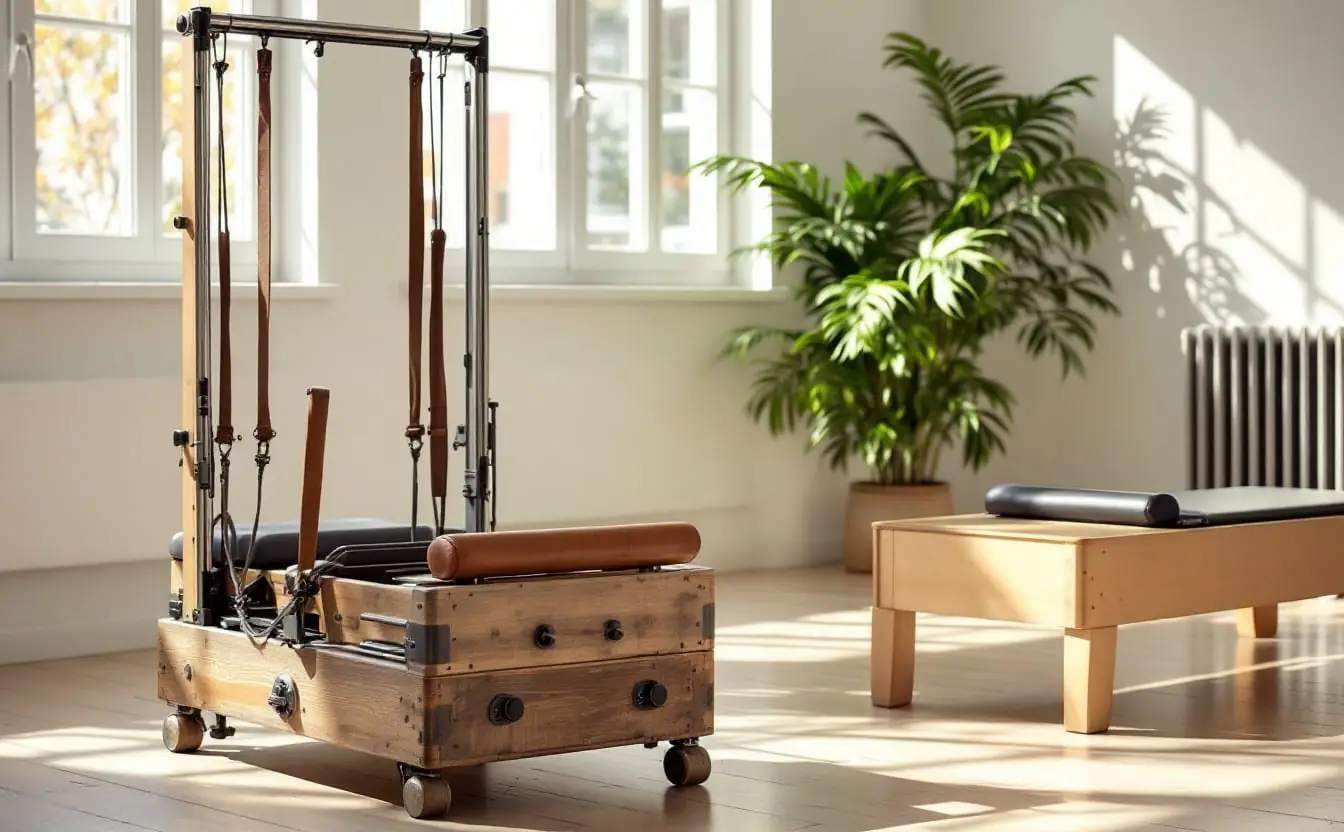
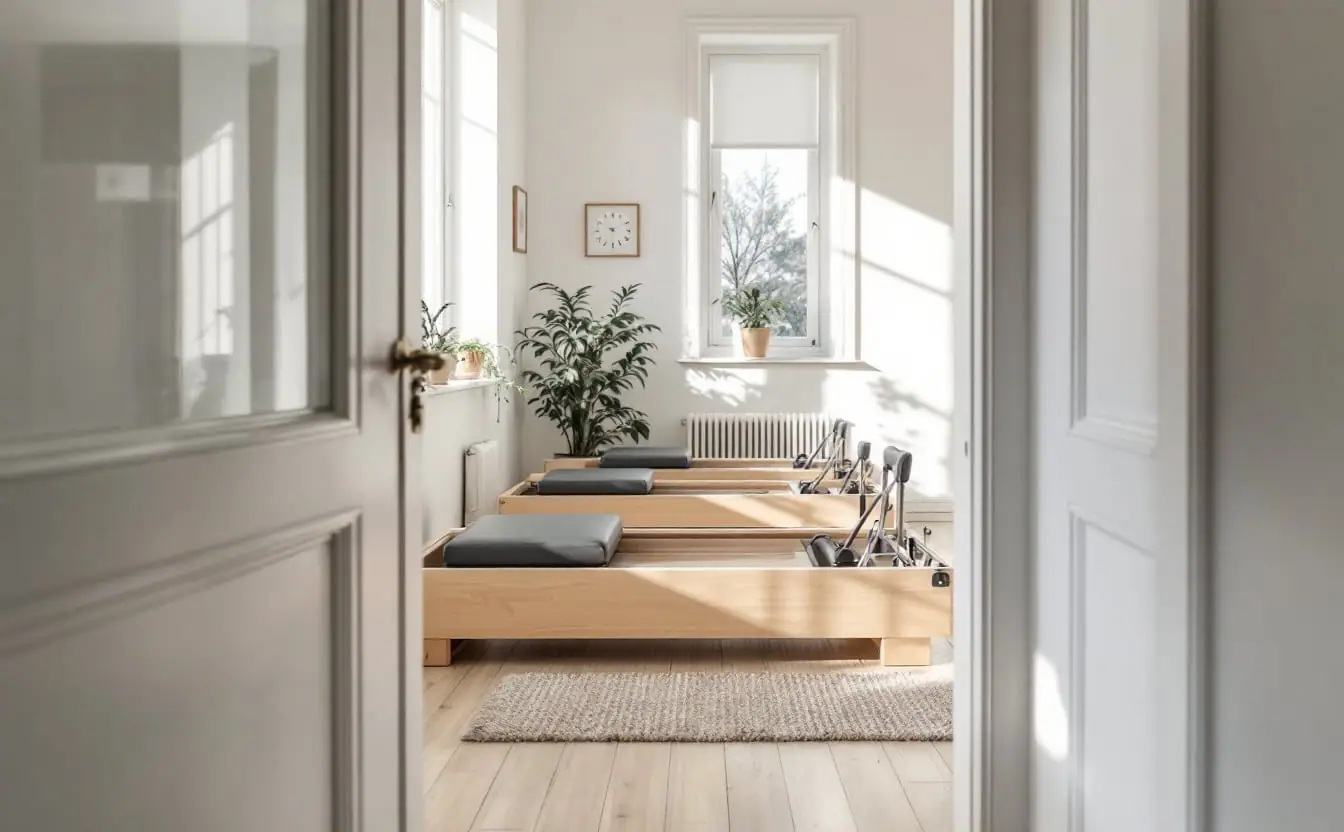
Pilates does some of this list very well. It builds trunk control, spinal mobility and body awareness, and it teaches you to move with your breath rather than against it, all of which carries over into lifting and carrying. There is more on that side of things in our piece on what the core really is. What a mat class rarely provides is heavy loading or sustained effort for the heart and lungs. The most capable people I have trained alongside tend to mix the two: Pilates for control and range, plus some lifting, carrying and walking.
A sample capability week
| Day | Session |
|---|---|
| Monday | Strength: squats to a chair, kettlebell deadlift, band rows, worktop press-ups, 3 sets each |
| Tuesday | Brisk walk, 40 minutes, including a hill |
| Wednesday | Pilates mat class or 30 minutes at home |
| Thursday | Strength again, plus three 1-minute carries |
| Friday | Rest, or an easy walk |
| Saturday | Something long and enjoyable: a hike, a bike ride, a day in the garden |
| Sunday | Mobility and balance, 15 minutes |
Adjust it freely. If you are new to strength work, start with one set of each and a weight that feels easy. Muscle also needs fuel to adapt, so getting enough protein through the day is part of the plan rather than an extra.
Measure what matters
Throw out the before and after photographs. Keep a pencil and a strip of masking tape inside a kitchen cupboard door, and write your chair stand count, your single-leg seconds and your carry time on it with the date. In three months, do the tests again and write the new numbers underneath. That column of figures is a far better portrait of your fitness than anything a camera could give you.