How to choose a plant-based protein powder you will actually use
Some links in this story go to Amazon. As an Amazon Associate I earn from qualifying purchases.
How to choose a plant-based protein powder: pea, soy, hemp and blends compared, how to read the label, pea protein vs whey, shakes and cooking with it.
The edit
| Pick | Best for | One fact | Where to buy |
|---|---|---|---|
| Orgain organic plant protein, vanilla | Oats and smoothies | About 21 g protein per serving on the label | See it on Amazon (Orgain organic plant protein, vanilla) |
| Sunwarrior Warrior Blend, vanilla | Mixing with water | Pea, hemp and goji blend | See it on Amazon (Sunwarrior Warrior Blend, vanilla) |
| NAKED Pea unflavoured pea protein | Savoury cooking | Single ingredient: pea protein | See it on Amazon (NAKED Pea unflavoured pea protein) |
For most people who train, a plant-based protein powder is a convenience rather than a necessity. A scoop of pea, soy or a blend usually carries somewhere between 15 and 25 g of protein, mixes in under a minute, and covers the mornings when you come out of class with no appetite at all. The one to buy depends less on the plant it came from than on how you will use it: a sweet blend for shakes, a plain one for cooking.
The people who get most from a tub are a fairly specific group. Early risers who cannot face food for an hour after training. Anyone with a week of hotel breakfasts ahead. People eating a little less for a while who still want their protein. And anyone who finds the daily total hard to reach from food alone, which is the subject of plant protein for people who train. If tofu, beans and lentils already turn up on your plate most days, you may not need a powder at all.
Three plant-based protein powders side by side
| Pick | Best for | Key facts |
|---|---|---|
| Orgain organic plant protein, vanilla | Stirring into porridge and blending into fruit smoothies, if you like a sweet, gentle vanilla | Pea, brown rice and chia blend; about 21 g protein per serving on the label; organic and vegan; 2.03 lb (about 920 g) tub |
| Sunwarrior Warrior Blend, vanilla | Shaking with plain water, for people who prefer a less sugary taste | Pea and hemp protein with goji berry; organic and vegan; about 32 servings a tub |
| NAKED Pea, unflavoured | Savoury cooking, baking, and flavouring it yourself | One ingredient, yellow pea protein; no flavouring or sweetener; 5 lb (about 2.3 kg) bag |
How these three were chosen: from the makers' specifications, published reviews, and how well each fits the ways people who do Pilates tend to use a powder, from a shake on the walk home to a spoonful in the soup pot. We have not tested them ourselves. Label values vary by flavour and batch, so read the tub you actually buy.
Kit list
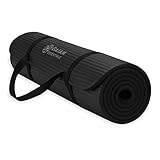 Gaiam 10 mm thick matBest for: rolling on hard floorsSee it on Amazon (Gaiam 10 mm thick mat)
 THERABAND long flat bandsBest for: footwork and rowingSee it on Amazon (THERABAND long flat bands)
We may earn a commission from these links. As an Amazon Associate I earn from qualifying purchases.
The main types of plant protein powder
Almost every plant powder is built from one or more of a handful of sources, each with its own flavour, texture and amino acid pattern.
Pea protein
Made from yellow split peas, with most of the starch and fibre washed out. A pea isolate usually lands at around 80% protein by weight, which makes it the workhorse of the category. It is rich in lysine, a little low in methionine, faintly earthy in flavour, and it thickens whatever you stir it into.
Soy protein
The oldest of the plant isolates and still one of the most useful. Soy protein carries a full spread of essential amino acids, mixes smoothly and tastes mild. It is less fashionable than pea on supplement shelves, but it remains a sound choice unless you have a soy allergy or simply prefer to avoid it.
Brown rice protein
Rarely sold alone, because it tends to be gritty and is low in lysine. Paired with pea, which has lysine to spare, it balances the profile. Pea and rice is the most common blend you will find.
Hemp protein
Ground hemp seed with some of the oil pressed out. It is green, grassy and nutty, carries a fair amount of fibre, and has a much lower share of protein by weight than pea or soy, often around half. It works best in a banana and cocoa smoothie, where the flavour has something to hide behind.
Blends
Pea with rice, pea with hemp, sometimes with pumpkin seed, faba bean, chia or quinoa. Blends smooth out both the amino acid profile and the texture. The trade-off is a longer ingredient list, and usually more flavouring and sweetener to make the mix taste of vanilla rather than of a field.
Pea protein vs whey
Whey comes from milk, as a by-product of cheese-making. Pea protein comes from peas. Scoop for scoop, a good isolate of either usually lands in the same range, roughly 20 to 25 g of protein, so the practical differences are elsewhere.
- Diet: whey is dairy, so it is out for vegans and anyone with a milk allergy. Whey isolate is low in lactose but not always free of it.
- Amino acids: per gram of protein, pea carries a little less leucine and methionine than whey. A slightly larger serving, or a blend with rice, closes most of that gap.
- Texture: whey mixes thin and smooth. Pea is thicker and can be faintly chalky, which in a smoothie is more help than hindrance.
- Results: the small number of trials comparing the two alongside strength training have generally found similar gains when total protein was adequate.
If you eat no dairy, pea or soy is the answer. If you do, choose by taste and by what agrees with you.
How to read the label
Turn the tub round before you look at the front.
- Protein per serving, and the serving weight. Divide one by the other. A label giving 20 g of protein from a 1.4 oz (40 g) serving is 50% protein; 24 g from a 1 oz (30 g) scoop is 80%. The rest is flavouring, sweetener, fibre, fat and sometimes powdered greens. Neither is wrong, but you should know which you are buying.
- The protein sources, in order. The first ingredient should be a protein. Be wary of a "proprietary blend" that lists ingredients without amounts.
- Sweeteners. Sugar, cane sugar, coconut sugar, stevia, monk fruit, erythritol or sucralose. Sugar alcohols such as erythritol can upset some stomachs in larger amounts. Unflavoured powders contain none of them.
- Sodium. Some pea proteins carry a few hundred milligrams a serving, which matters if you are watching your salt.
- Third-party testing marks. NSF Certified for Sport and Informed Sport (or Informed Choice) are independent schemes that test batches for substances banned in sport and, depending on the scheme, for contaminants and label accuracy. Organic and vegan logos tell you how the ingredients were grown and what is left out, not how clean the powder is.
- The allergen statement. Look for soy, tree nuts and sesame, and for the line about the factory also handling other allergens.
Treat every figure as a guide. Label values vary by flavour and batch, and the chocolate version of a powder rarely matches the vanilla exactly.
Sizes, and what to skip
Start small. A 1 to 2 lb (450 to 900 g) tub, or a few single-serve sachets if the maker sells them, shows if you like a powder before you commit to a 5 lb bag. Big bags make most sense for an unflavoured powder you will cook with, where taste matters less.
Skip anything sold on promises rather than ingredients: "fat-burning" formulas, "detox" blends, and powders with added caffeine or green tea extract you did not ask for. Be cautious with long lists of added vitamins and minerals if you already take a supplement. And look twice at servings so small that the sugar and calorie figures only look modest because the scoop is tiny.
Taste and texture
Plain pea protein tastes of what it is: earthy, faintly savoury, a little like split peas without the seasoning. Hemp is grassier. Rice is neutral but gritty. Flavoured blends cover all of this with vanilla, cocoa and sweetener, which is why they are easier to drink with water and harder to cook with.
Use cold liquid, and let a shake stand for a minute after mixing; pea protein keeps absorbing water and the texture smooths out. Cinnamon, cocoa, coffee, banana and peanut butter all mask earthy notes. A powder that is chalky in a shaker bottle often behaves in a blender.
Making a plant-based protein shake
The basic ratio is one scoop to 8 to 12 fl oz (240 to 350 ml) of cold liquid. Pour the liquid in first, then the powder, and shake hard in a bottle with a wire whisk ball, or blend for 20 seconds. Water gives the lightest shake. Unsweetened soy milk adds about 7 g of protein a cup (240 ml) and a creamier body; oat and almond milks add very little protein.
For something closer to a meal, blend a scoop with 1 cup (240 ml) of soy milk, half a frozen banana, a tablespoon of peanut butter and a small handful of oats. Depending on the powder, that comes to roughly 30 to 35 g of protein. A sweeter vanilla suits this kind of smoothie, while a less sweet blend such as Sunwarrior's makes more sense if you mostly drink it with water after class. The peanut butter and banana smoothie in five plant-based breakfasts for after a morning class takes a scoop well, too.
Cooking with protein powder
This is where an unflavoured powder earns its place, and where a single-ingredient pea protein makes more sense than a vanilla tub.
- Porridge and overnight oats: stir the powder in after cooking, with an extra splash of milk. Added to a pan of boiling oats, it tends to clump.
- Pancakes and waffles: swap up to about a quarter of the flour for powder. Go further and they turn dense and rubbery.
- Soups, dal and sauces: whisk a scoop of unflavoured pea protein into a little cold liquid first, then stir it in off the boil. It thickens as well as adding protein.
- Baking: muffins and energy balls take a scoop or two, but powder soaks up liquid, so add a little more milk or mashed fruit.
Heat changes the structure of protein, as it does in any cooked food. The protein still counts, so there is no reason to keep powders away from the stove.
Storage and safety
Keep the lid tight and the tub in a cool, dry cupboard rather than the fridge, where condensation forms every time you open it. Use a dry scoop. Clumps that will not break up usually mean moisture got in. Go by the best-by date printed on the tub.
In the US, dietary supplements, protein powders included, do not need FDA approval before they go on sale; the maker is responsible for their safety and for what the label says. That is the case for third-party testing marks. Consumer testing groups have also reported measurable lead in a number of plant-based protein powders, since plants take up minerals from the soil they grow in. It is a sensible reason to favour makers that publish batch testing, and to treat powder as a daily scoop rather than the backbone of your diet.
If you are pregnant, have kidney disease, take regular medication or have a food allergy, ask your doctor or a registered dietitian before adding a powder every day.
Short answers
What is the best vegan protein powder?
The one that suits how you will use it, and that you will finish. For shakes with water, a less sweet blend. For oats and smoothies, a sweeter vanilla. For cooking, unflavoured pea. Within each, look for a clear protein figure, a short ingredient list and a third-party testing mark.
Is a protein shake enough for a meal?
Powder shaken with water is a snack, usually somewhere around 100 to 150 calories. Blended with soy milk, oats, fruit and nut butter it gets closer to a light meal. Most days, a plate of food does the job better.
How much protein powder should I have in a day?
One serving is plenty for most people. Powder fills gaps; meals built around tofu, tempeh, beans and lentils do the heavy lifting.
Buy the small tub first. Use it every morning for two weeks, in porridge one day and a shake the next, and you will know whether the big bag deserves the cupboard space.