Does Pilates help you lose weight? An honest answer
Some links in this story go to Amazon and to other shops, and we may earn a commission from them. As an Amazon Associate I earn from qualifying purchases.
Can you lose weight with Pilates? What a class burns by the Compendium figures, why food and daily movement matter more, and what Pilates adds to the mix.

Pilates can help you lose weight, but mostly indirectly. A class burns relatively few calories: the Compendium of Physical Activities rates Pilates at 1.8 to 2.8 METs, which is light activity, in the same range as a slow walk. Changes in body weight come mainly from what you eat and how much you move across the whole week, and what Pilates adds is strength, a habit people tend to keep, and a better sense of how they hold themselves.
That is less exciting than the promises attached to a lot of Pilates content online. It is also more useful, because once you know what Pilates does and does not do for weight, you can place it sensibly in a week. This is general information, not a plan for you in particular, and I am not going to put a number on what anyone should expect to lose.
What a Pilates class actually burns
The 2024 Adult Compendium of Physical Activities, the standard reference for the energy cost of activities, gives two values for Pilates: 1.8 METs for a traditional mat session and 2.8 METs for Pilates in general, which covers studio and reformer classes. One MET is the energy you use sitting quietly. Anything under 3 METs counts as light.
To turn METs into calories, the usual formula is kcal per minute = MET × 3.5 × body mass in kg ÷ 200. For someone weighing 170 lb (77.1 kg), a 50-minute general class works out at 2.8 × 3.5 × 77.1 ÷ 200 = 3.78 calories a minute, or about 189 in total. The table puts that next to a few everyday comparisons for the same person and the same 50 minutes.
| 50 minutes at 170 lb (77.1 kg) | METs | Calories | Above resting |
|---|---|---|---|
| Sitting quietly | 1.0 | 67 | 0 |
| Pilates, traditional mat | 1.8 | 121 | 54 |
| Pilates, general class | 2.8 | 189 | 121 |
| Walking at 2.5 mph (4 km/h) | 3.0 | 202 | 135 |
| Walking briskly, 3.5 to 3.9 mph (5.6 to 6.3 km/h) | 4.8 | 324 | 256 |
The last column matters most. "Above resting" uses the same formula with (MET minus 1), and it is the energy the activity costs beyond what you would have used anyway on the sofa. For a traditional mat class it comes to about 54 calories in 50 minutes. A gentle stroll at 2.5 mph slightly outspends a general Pilates class.
Two caveats keep this fair. The Compendium has no separate reformer value, and a fast, circuit-style reformer class that moves briskly between exercises will likely burn more than the general figure. Published measurements of Pilates also vary widely, from under 2 METs for slow, careful sessions to much higher figures for advanced, fast ones. You can put in your own weight and minutes with the calories burned calculator.
Kit list
- Amazon Basics 36-inch firm foam rollerBest for: lying lengthwiseSee it on Amazon (Amazon Basics 36-inch firm foam roller)
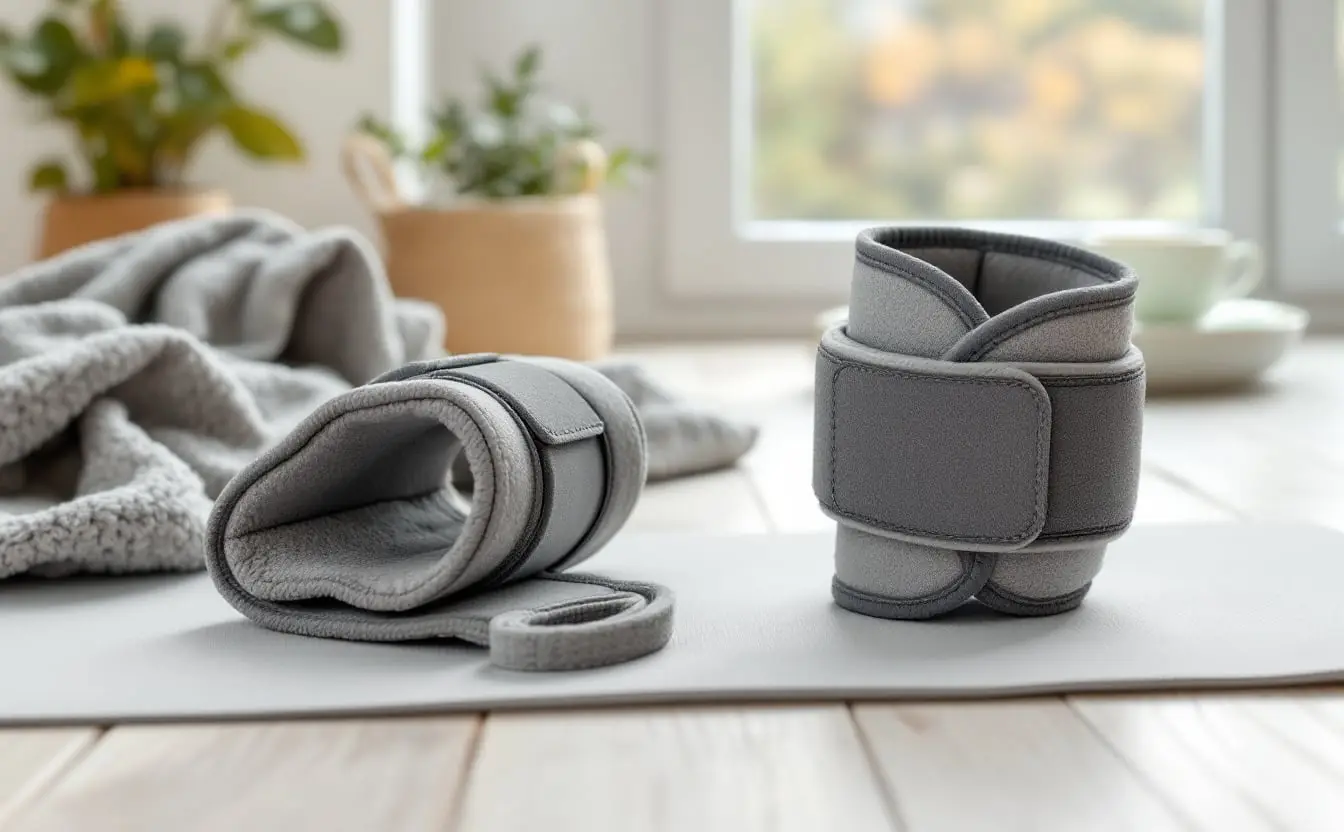
- Ozaiic grip socks with ballet-style strapsBest for: strappy reformer socksSee it on Amazon (Ozaiic grip socks with ballet-style straps)
We may earn a commission from these links. As an Amazon Associate I earn from qualifying purchases.
Can you lose weight with Pilates?
You can lose weight while doing Pilates. It is rarely the Pilates alone that does it. Body weight shifts when the energy you take in and the energy you use stay out of balance for weeks and months, and bodies are not tidy calculators: appetite, sleep, stress, illness, some medicines and age all play a part.
The research points the same way. Reviews that pool small trials of Pilates in adults carrying extra weight have reported modest reductions in weight and body fat over programmes of several weeks. The trials tend to be small and short, and many do not track food closely, so it is hard to say how much of the change came from the Pilates itself. More broadly, exercise without any change in eating usually moves the scale less than people hope, even while it does a great deal for health at any weight.
None of that is a reason to skip Pilates. It is a reason to judge it by the right yardstick.
What Pilates adds that the scale misses
Strength
Pilates loads the trunk, hips, legs and shoulders against body weight, springs or a band. That counts as muscle-strengthening activity, which the US and UK guidelines ask adults to do on at least two days a week, whatever their weight. Strength work is also generally advised when people are eating less, because it helps hold on to muscle. Muscle that is used regularly gives the sugar from your meals somewhere useful to go, as the piece on metabolic health and strength training explains.
A habit you keep
The workout that changes anything is the one you are still doing in March. Pilates is low impact, easy to scale up or down, and possible at home in 20 minutes with nothing but a mat. It suits a lot of people who never warmed to running or gyms, and that counts for a lot.
How you carry yourself
Standing taller does not change your weight. It can change how comfortable you feel climbing stairs, carrying shopping or sitting through a long drive, and those are good reasons to train. If you want a reminder that fitness is more than appearance, being in shape is not how you look makes the case well.
How much Pilates to lose weight
There is no number of Pilates sessions that produces weight loss by itself, and I would be wary of anyone who offers one. A more useful way to think about it is to give Pilates the job it does well and let other activity do the rest.
The US and UK guidelines suggest at least 150 minutes of moderate activity a week, or 75 of vigorous, plus muscle-strengthening work on at least two days. Because most Pilates is light, it covers the strength part rather than the 150 minutes. The US guidelines also say plainly that some people need more activity than the minimum to manage their weight. A week that covers both parts might look like this:
| Day | Activity | Counts towards |
|---|---|---|
| Monday | Pilates, 30 to 50 minutes | Strength |
| Tuesday | Brisk walk, 30 minutes | 30 moderate minutes |
| Wednesday | Pilates, 30 to 50 minutes | Strength |
| Thursday | Brisk walk, 30 minutes | 30 moderate minutes |
| Friday | Brisk walk, 30 minutes | 30 moderate minutes |
| Saturday | Long walk, bike ride or swim, 60 minutes | 60 moderate minutes |
| Sunday | Rest |
That adds up to 150 moderate minutes and two strength days. Add a third Pilates session if you have the time and enjoy it.
Making Pilates count if weight is one of your goals
A few changes make a session more demanding without turning it into something else:
- Keep moving between exercises instead of resting for a minute each time.
- Progress the load: heavier springs on the reformer, a band in mat work, or the harder version of an exercise once the easier one feels steady.
- Include standing and kneeling work, which asks more of the legs than lying on your back.
- Book a class at the same time each week, so it happens on tired days too.
- Walk to class, or walk for 10 minutes afterwards.
If you are deciding between Pilates and yoga for the same goal, the Compendium figures for both are set out in Pilates vs yoga.
Food does most of the work
Diet advice could fill a book, and you have probably read several. The plain version is that eating patterns you can keep for years beat ones you can bear for a month: plenty of vegetables, fruit, pulses and whole grains, some protein at each meal, water as the usual drink and fewer sugary ones. Pilates fits alongside that, it does not replace it.
If you have a medical condition, take medicine that affects your weight or appetite, or have a history of disordered eating, talk to your doctor or a registered dietitian before setting a weight goal. That is not a formality. Some of those situations need a different plan altogether.
Questions readers ask
Is reformer Pilates better than mat for weight loss?
The Compendium has no separate reformer value, so it is rated with Pilates in general at 2.8 METs. A brisk, circuit-style reformer class likely burns more than a slow, technical one, and springs make it easier to add load. The better choice is still the one you will keep booking.
Will Pilates give me a flat stomach?
Pilates strengthens the abdominal muscles, but working a muscle does not decide where your body loses fat. Where you store and lose fat depends largely on genetics, age and hormones. A stronger trunk is worth having for its own sake.
Why has the scale not moved since I started?
Day-to-day weight swings with water, salt and whatever is still in your gut, which can hide slow changes for weeks. Track other things too: how many push-ups you can do, how the stairs feel, how many walks you fitted in.
Before your next class, write three of those down on a card that has nothing to do with the scale, and look at it again in a month.