Cooking beans, lentils and chickpeas from dry, without the fuss
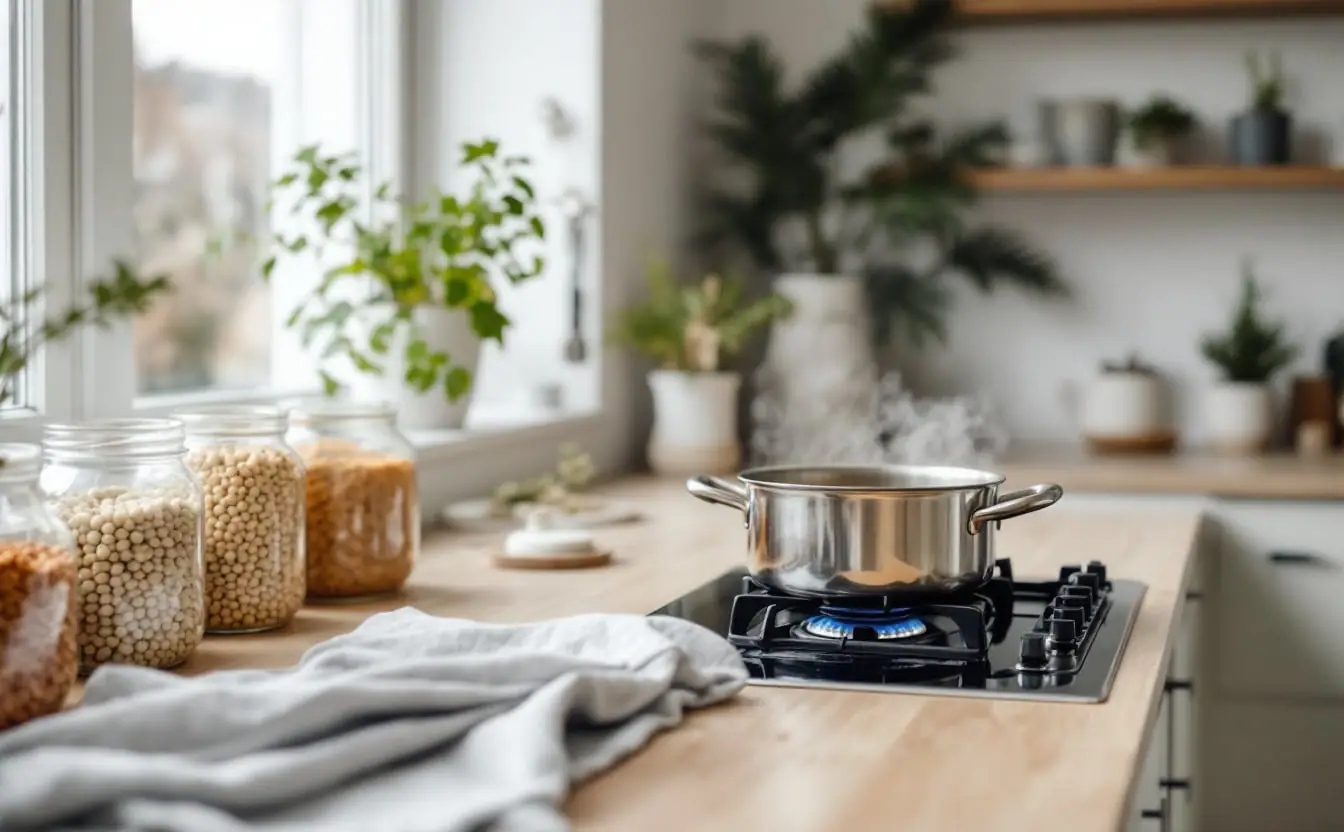
A 500 g bag of dried chickpeas costs about the same as two tins and holds roughly five tins' worth once cooked. That alone would be reason enough. But the better argument for cooking pulses from dry is the result: beans that are creamy rather than mealy, seasoned all the way through, sitting in a cooking liquid you can use for soup, stew or a very respectable hummus.
The process looks like a project and is mostly waiting. You put things in water, you go to bed, you put them on the hob, you go and do something else. What follows covers the parts that actually affect the outcome, along with the old rules you can safely ignore.
Soaking: what it does and when to skip it
Soaking lets dried beans take on water before they meet heat, so they cook faster and more evenly. Skins are less likely to split, and the middle is less likely to stay chalky while the outside turns to mush. Lentils and split peas are small and thin-skinned enough to skip it entirely.
For whole beans and chickpeas, cover them with at least three times their volume of cold water and leave for 8 to 12 hours. They will roughly double in size, so use a bigger bowl than looks necessary. If you forget, the quick soak works well enough: bring the beans and water to the boil, boil for 2 minutes, turn off the heat, cover and leave for an hour.
I salt the soaking water, about two level teaspoons (10 to 12 g) per litre. This is sometimes called brining, and it tends to give softer skins and better-seasoned beans. Drain and rinse before cooking, then start again with fresh water.
Red kidney beans need a hard boil
Raw and undercooked red kidney beans contain a natural lectin, phytohaemagglutinin, that can cause a nasty bout of sickness and diarrhoea. Proper cooking destroys it. Soak them, drain and rinse, cover with fresh water, then boil hard for at least 10 minutes before turning down to a simmer. Pressure cooking at full pressure for the full time also does the job.
A slow cooker on its own does not reliably get hot enough. If you want kidney beans in a slow-cooked chilli, give them their 10-minute rolling boil in a pan first. Tinned kidney beans are already cooked and safe straight from the tin.
Cooking times at a glance
These are approximate times for pulses in good condition. Age matters more than anything: a bag that has sat in the cupboard for two years can take twice as long, and occasionally never softens at all. Start tasting early, and test several beans, not one.
| Pulse | Soak first? | Hob simmer (approx.) | Pressure cooker, high pressure (approx.) | Notes |
|---|---|---|---|---|
| Red split lentils | No | 10 to 20 min | Not worth it | Collapse into dal, which is the point |
| Brown or green lentils | No | 20 to 30 min | 8 to 10 min | Hold their shape if you stop in time |
| Puy-style lentils | No | 20 to 25 min | Not worth it | Best for salads |
| Yellow split peas, chana dal | Optional | 40 to 60 min | 10 to 15 min | Skim the foam early |
| Chickpeas | Yes | 1 to 2 hours | 15 to 20 min | Older chickpeas take much longer |
| Black beans | Yes | 1 to 1.5 hours | 8 to 12 min | The cooking liquid turns inky; keep it |
| Cannellini or haricot | Yes | 1 to 1.5 hours | 8 to 12 min | Creamy, good for soups |
| Red kidney beans | Yes | 10 min hard boil, then 45 to 60 min | 10 to 12 min | Never skip the boil on the hob |
| Butter beans | Yes | 45 to 75 min | 6 to 10 min | Skins slip; keep the simmer gentle |
| Borlotti | Yes | 1 to 1.5 hours | 8 to 12 min | Lose their speckles, gain flavour |
Pressure cooker times assume soaked beans and vary between makes, so follow your manual if it disagrees with me. A gentle simmer matters on the hob too. A rolling boil (kidney beans aside) bashes beans against each other and splits the skins.
Salt, acid and other kitchen folklore
You will still read that salting beans early makes them tough. It doesn't. Salt in the soaking and cooking water seasons the beans from the inside and, if anything, softens the skins. Season the cooking water roughly as you would for pasta, perhaps a little less, and taste the liquid near the end.
Acid is the real culprit. Tomatoes, vinegar, lemon juice and wine all slow softening, so beans cooked in a tomato sauce from the start can stay stubbornly firm. Cook them until tender in plain water first, then add them to the sauce. Very hard water slows things down as well; if you live in a hard-water area and your chickpeas never quite give, that may be why.
A pinch of bicarbonate of soda, around a quarter of a teaspoon per litre of cooking water, helps stubborn chickpeas soften and is the usual trick behind very smooth hummus. Use more and the beans taste faintly soapy and fall apart. Aromatics are a free upgrade: a bay leaf, half an onion, a couple of crushed garlic cloves, a strip of kombu or a dried chilli. Fish them out at the end.
Using a pressure cooker
A pressure cooker turns chickpeas from an afternoon job into one that takes under an hour, including the time it takes to come up to pressure and release. Stovetop and electric models both work. A few habits make them behave:
- Fill the pot no more than halfway with beans and liquid, because pulses foam.
- Add a tablespoon of oil to the water, which helps keep the foam down.
- Let the pressure release naturally for beans, or at least for 10 to 15 minutes before venting. A fast release can burst the skins.
- Cook unsoaked beans only if you must. It works, but takes roughly two to three times as long and gives a less even result.
Batch cooking and freezing
Cooking 500 g at a time is the sweet spot for most households. It fills a big pot, gives you about five tins' worth, and the cooking time is barely longer than for a smaller amount. While the chickpeas simmer, you have time for the whole of a ten-minute hip routine, twice.
- Cook the pulses until fully tender, a touch softer than you would serve them, since freezing firms them slightly.
- Cool them quickly. Lift the pot off the heat, then tip beans and liquid into a wide shallow dish so they reach room temperature within an hour or two.
- Portion into freezer bags or tubs of about 240 g of beans each (the drained weight of a standard 400 g tin), with a few spoonfuls of cooking liquid to stop them drying out.
- Label with the name and date, lay the bags flat and freeze.
- Use within about three months for the best texture. Defrost overnight in the fridge, or drop the frozen block straight into a soup or stew.
Cooked pulses in the fridge should be eaten within two days. Any spare cooking liquid freezes well in an ice-cube tray, and chickpea liquid (aquafaba) can be whipped like egg white for meringues and mousses.
Making pulses easier to digest
The wind that beans are famous for comes mostly from oligosaccharides, carbohydrates we cannot digest that are fermented by gut bacteria in the large intestine. Soaking, draining and cooking in fresh water carries some of them away. Cooking pulses until properly soft helps too; a slightly crunchy chickpea is harder work for everyone.
Many people find their gut adapts when pulses become a regular part of what they eat rather than an occasional event. Start with small portions, a few tablespoons, and build up over a few weeks. Red lentils and split peas are often easier than whole beans. Cooks across India add asafoetida (hing) and ginger to dal for this reason, and in Mexico epazote goes into the bean pot. The evidence for each is thin, but they taste good, so there is little to lose.
If you have IBS and follow a low-FODMAP plan, small portions of tinned and well-rinsed lentils or chickpeas are often better tolerated than home-cooked ones, because some of the troublesome carbohydrates leach into the tin liquid. A dietitian can help you find your own limits.
What you actually save
The saving is real but modest per tin, and grows with habit. The figures below are illustrative own-brand supermarket prices, rounded; prices vary by shop and change over time, and buying larger bags from world food shops usually brings the dried cost down further.
| Tinned (400 g tin) | Cooked from dry (per 240 g tin's worth) | |
|---|---|---|
| Chickpeas | about 55p | about 25p for beans, plus a few pence for energy |
| Red kidney beans | about 45p | about 25p, plus energy |
| Black beans | about 65p | about 30p, plus energy |
Energy is the hidden cost. An hour and a half of simmering on an electric hob might use around a unit of electricity, call it 25p, spread across the whole batch. A pressure cooker uses noticeably less. Either way, it adds only a few pence per tin's worth. The gap is wider at the premium end: plump chickpeas in a glass jar can cost several pounds, while the same quality bought dry still works out at well under a pound per tin's worth.
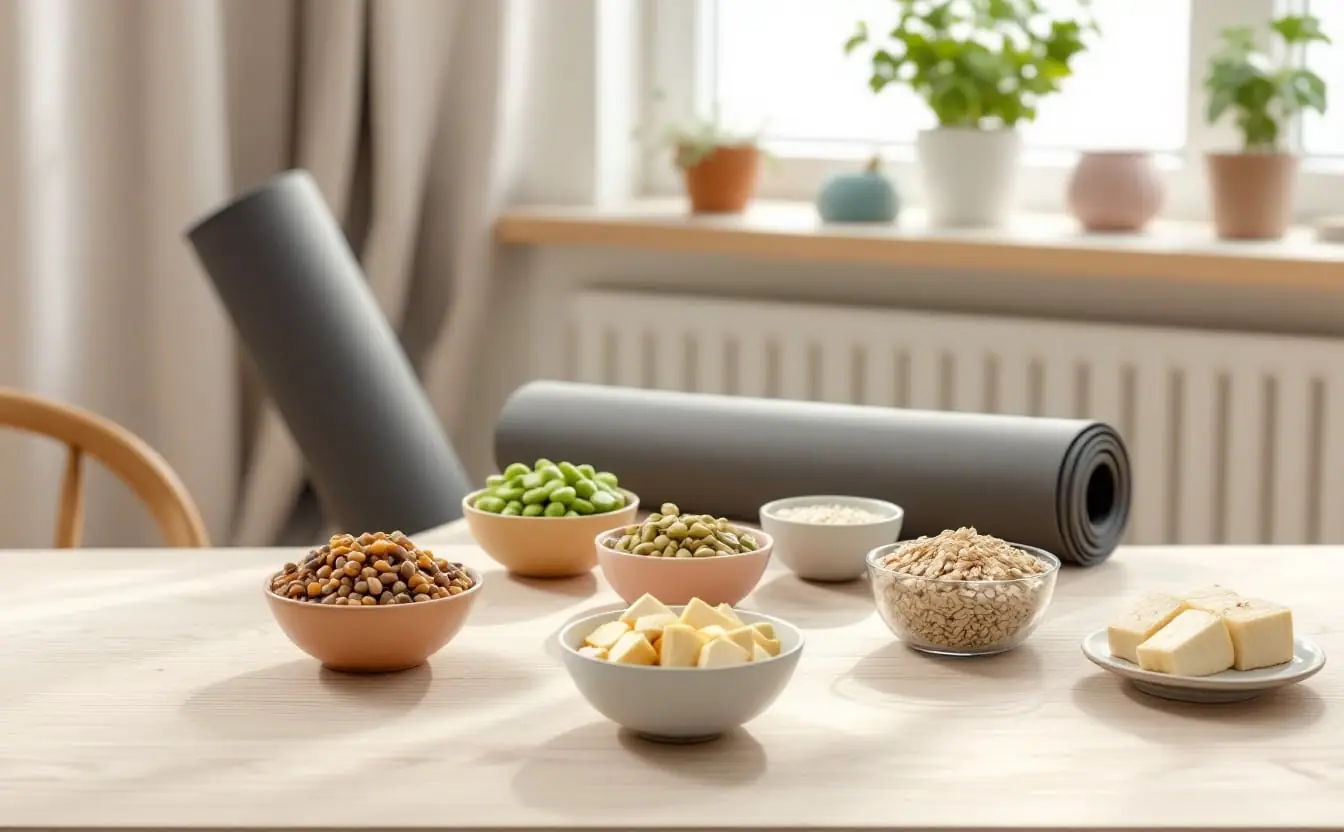
The bigger saving is in protein per pound. Pulses are already among the cheapest protein foods you can buy, and cooking from dry roughly halves the cost again, which matters if, like many people who train, you are trying to eat more protein from plants on a sensible budget. Eighty grams of cooked pulses, about three heaped tablespoons, counts as one of your five a day under UK guidance, though only once however much you eat. More recipes that put a batch to work live in the plant-based food channel.
Tonight, before bed, tip 500 g of chickpeas into your largest bowl, cover them generously with salted water and walk away. Tomorrow's dinner has started.