What a fresh coat of paint asks of a home practice room
Some links in this story go to shops, and we may earn a commission from them.
You see a practice room from the floor. How to choose colour, finish and timing for repainting it, and why airing it out matters before you train.
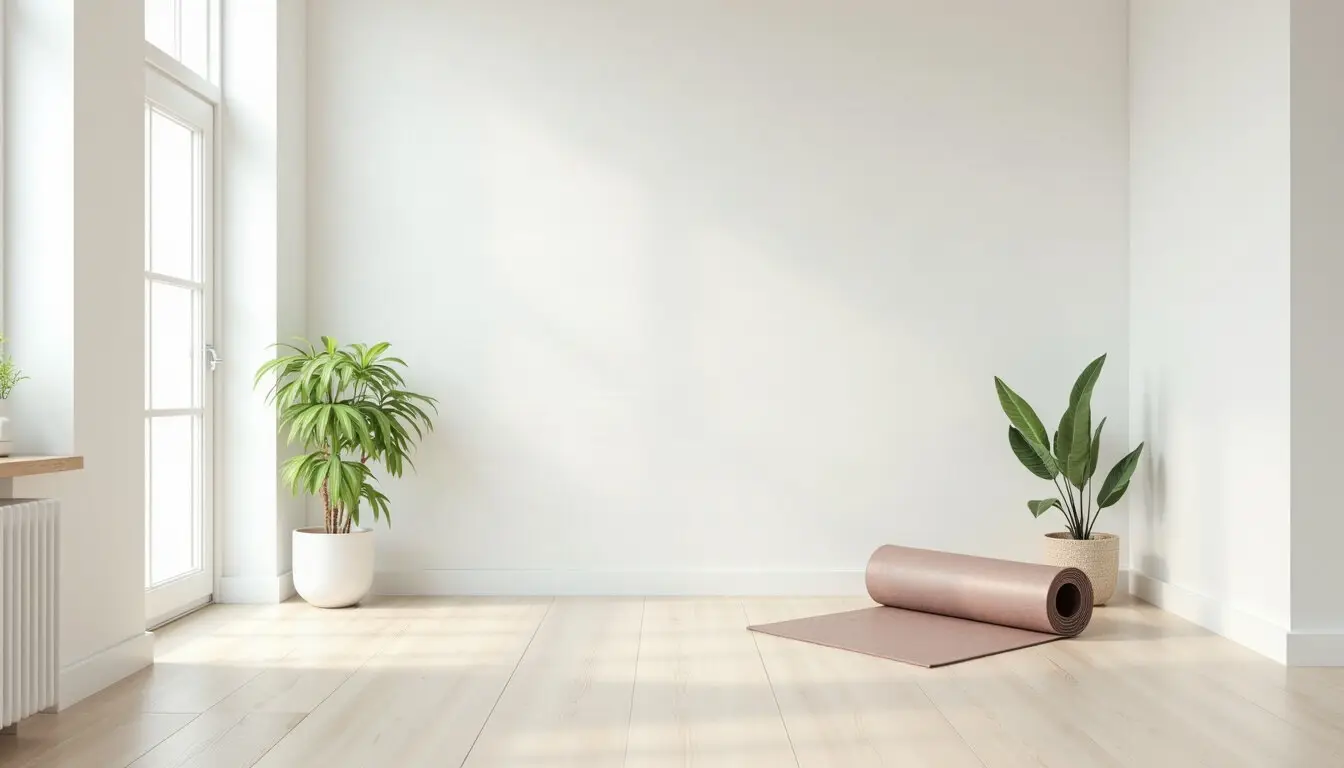
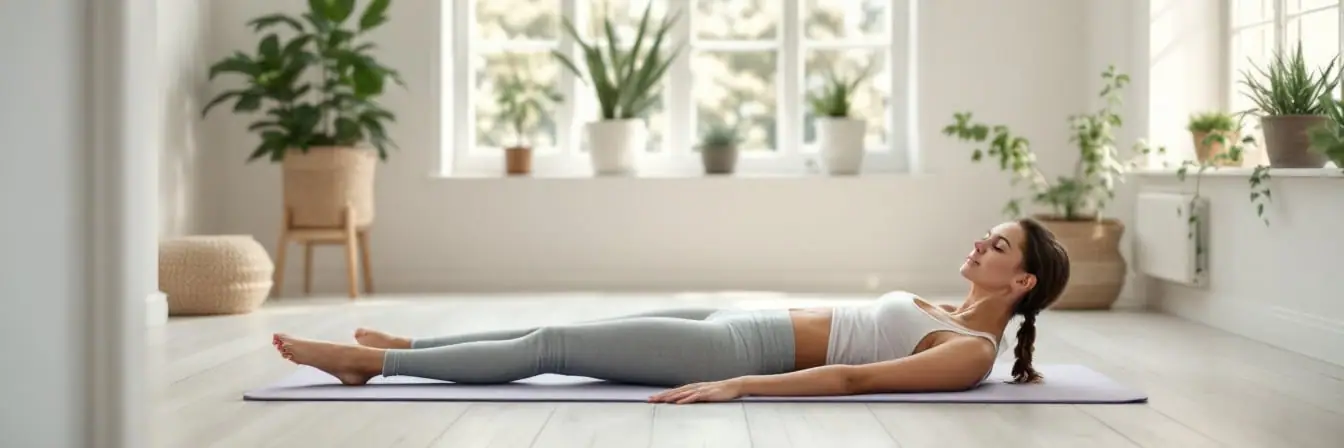
Lie on your back for a slow Spine Twist and you will spend more time looking at your walls and ceiling than at anything else in the room. The scuff above the skirting. The patch where an old shelf came down. The yellowed corner by the window.
A fresh coat of paint is one of the simplest ways to change how a practice room feels. What should you ask when you look into interior house painting Colorado Springs homeowners book for a spare room or studio corner? This piece covers colour, finish, timing and the airing-out that matters when you are about to breathe hard on the floor.
Start with what you actually see from the mat
Most rooms are decorated for the person standing in the doorway. A practice room is used from the floor. When you are lying down, the ceiling fills most of your view, the top of the walls comes next, and the bit of wall at mat height is the one you scuff with your feet during Leg Circles or brush with your hand during side-lying work.
That changes priorities. A ceiling that is grubby or patched is suddenly the main thing you see during The Hundred. The lower part of the walls takes more knocks than you would expect. And the light from the window bounces off the walls and ceiling in a way that you only notice when you lie in it.
Before you choose a colour, lie on your mat in the room at the time of day you usually practise. Look up. Look sideways. Note what bothers you. It is a two-minute job and it will tell you more than an afternoon with paint charts.
A word on the ceiling, since it is the view you will have most often. Ceilings are easy to forget when a room is repainted, because nobody standing in the doorway looks at them for long. From the mat you look at little else. A clean, even ceiling in a soft white makes the room feel taller and lighter when you lie down, and it bounces daylight back down onto the floor where you work. If the budget only stretches so far, the ceiling may be the best place to start.
Kit list
- Power Systems yoga and Pilates rangeBest for: equipping a roomSee it at Power Systems (Power Systems yoga and Pilates range)
We may earn a commission from these links.
Choose colour for light rather than mood
There are many confident claims about which colours calm you down or wake you up. I would be cautious. The research on colour and mood is real but modest, results vary from person to person, and very little of it was done in rooms where people exercise. If anyone tells you a particular shade will make your practice more focused, treat it as a preference dressed up as a fact.
What is clearer is the effect of colour on light. Pale walls and a white ceiling reflect daylight around the room, so a small practice room with one window feels brighter and more open. Darker walls absorb light and can make a small room feel enclosed, which some people like and others find heavy during slow work. Warm whites and soft neutrals tend to look gentle in morning light, and the cooler whites can look a little stark on a grey day.
In a place with plenty of strong sunshine, like the high, dry country along the Front Range, a bright room can become a glaring one. A very white wall opposite a sunny window may bounce more light into your eyes than you want when you lie down. A slightly softer white can be easier to live with. Try a sample on the wall facing the window and look at it from the mat at your usual time.
Pick a finish that copes with feet and hands
Colour gets the attention, but finish decides how the room wears. Paint finishes run from flat, which hides imperfections but marks easily, to glossier finishes, which wipe clean but show every bump in the wall. The table below compares the common options in general terms.
| Finish | Cost band | Where it works in a practice room | Who it suits |
|---|---|---|---|
| Flat or matt | Low | Ceilings, walls that see few knocks | People who want a soft, calm look and practise carefully |
| Eggshell | Low to moderate | Main walls of a well-used room | Most home studios, a balance of softness and wipeability |
| Satin | Moderate | Lower walls, door frames, near the mat | Rooms with props, children or pets |
| Semi-gloss | Moderate | Skirting boards and trim | Anyone who wants edges that wipe clean easily |
Your painter will have views on what suits the walls you actually have, which may be smooth or textured, new or old. Ask for an explanation of why they would choose one finish over another in your room, and what that means for cleaning. A good painter can tell you in plain words.
It is also worth asking about preparation, which is most of a good paint job. Filling old holes, sanding patches smooth and dealing with any stains on the ceiling all happen before the first coat goes on, and they are what decides whether the finished wall looks calm from the floor or shows every old repair in the low morning light. Ask the painter to walk you through what they would do to your walls before painting, and what they would leave as it is.
Plan the timing and the airing-out
Here is the bit that matters most for a practice room. You will lie on the floor and breathe deeply, often through the nose, within a short distance of freshly painted walls. Fresh paint smells, and some people find the smell unpleasant or irritating, especially in a small room.
The sensible approach is to plan around it. Ask the painter what products they intend to use, whether lower-odour options are suitable for your walls, and how long they would suggest keeping the room well ventilated before you use it for anything strenuous. Then follow that advice, with windows open where you can. If you have asthma or any breathing condition, mention it at the start; it may change what is sensible, and your doctor is the right person to ask how it affects you.
In practice, this usually means taking your mat elsewhere for a few days. A week of practising in the living room is a small price for a room that smells of nothing when you return to it. Use the time to clear the room properly, so the painter has clean walls and an empty floor to work with, and so you can rethink what goes back in.
Put the room back together slowly
When the room is dry and aired, resist the urge to return everything at once. Bring back the mat first, then the things you genuinely use: the blocks, the ball, the bands, a small rug if you need one. Live with that for a week before deciding whether the old storage boxes and the spare chair really belong.
Hang a hook for your mat rather than leaning it against the fresh wall, where it will mark the paint. Put felt pads on anything with feet. If you use a foam roller or a heavy prop near the wall, give it a home a little away from the paint so it does not rub. Small habits keep a new coat looking new for years.
And notice how the room feels now from the floor. Brighter, probably, and quieter to the eye. Whether it makes your practice calmer I could not tell you with certainty. It will certainly make it more pleasant to lie down in.
Spring check
Lighter: ignore promises that a particular colour will change your mood or your focus.
Heavier: spend your attention on finish, light from the mat, and time for the room to air out properly.
The last rep
Tomorrow, at the time you normally practise, lie on your mat in the room you want to repaint and look up for a full minute. Note the two things you see most. That short list is your brief for the painter, and the start of a room that is bright, pale and quiet when you come back to the mat by the window.