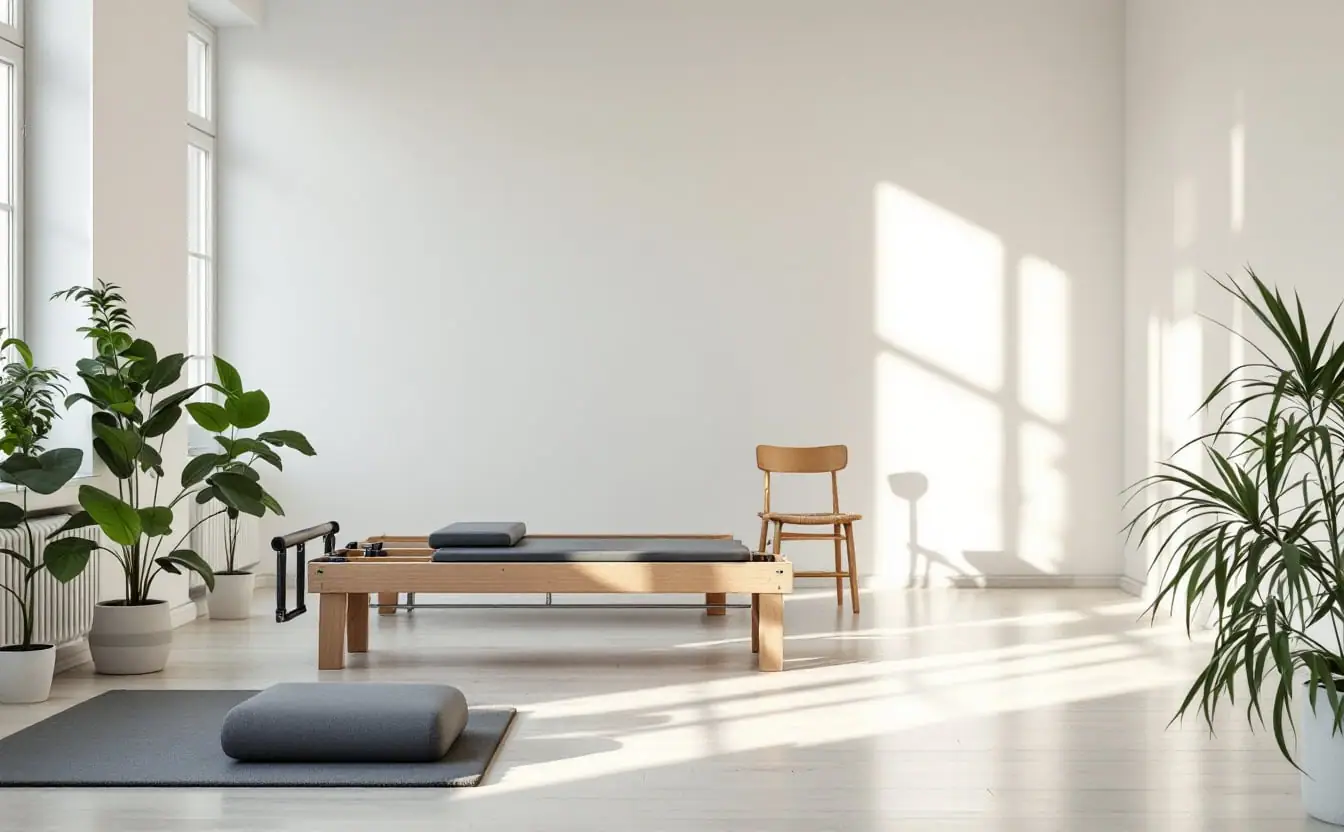
The Pilates habits that matter most happen outside the studio
Two classes a week add up to about two hours. A week has 168. If Pilates only happens on the mat or the reformer, it is a nice hobby with good posture attached, and most of what shapes your body is still being decided at the desk, the sink and the bus stop.
Joseph Pilates never treated his method as a class you attend and then forget. His two books, Your Health (1934) and Return to Life Through Contrology (1945), spend a surprising amount of space on bathing, sleeping, breathing and how to stand. Plenty of teachers still talk this way; Eric Saccucci Carlovich, a Brazilian teacher based in New Zealand, is one of many who describe Pilates as a lifestyle. Here is what that can mean in an ordinary week, without moving into a cabin or giving up toast.
What Joe actually recommended
Return to Life opens with the claim that physical fitness comes first in any recipe for happiness, and the rest of the book treats daily habits as part of the training. A few of his recommendations are more specific than people expect.
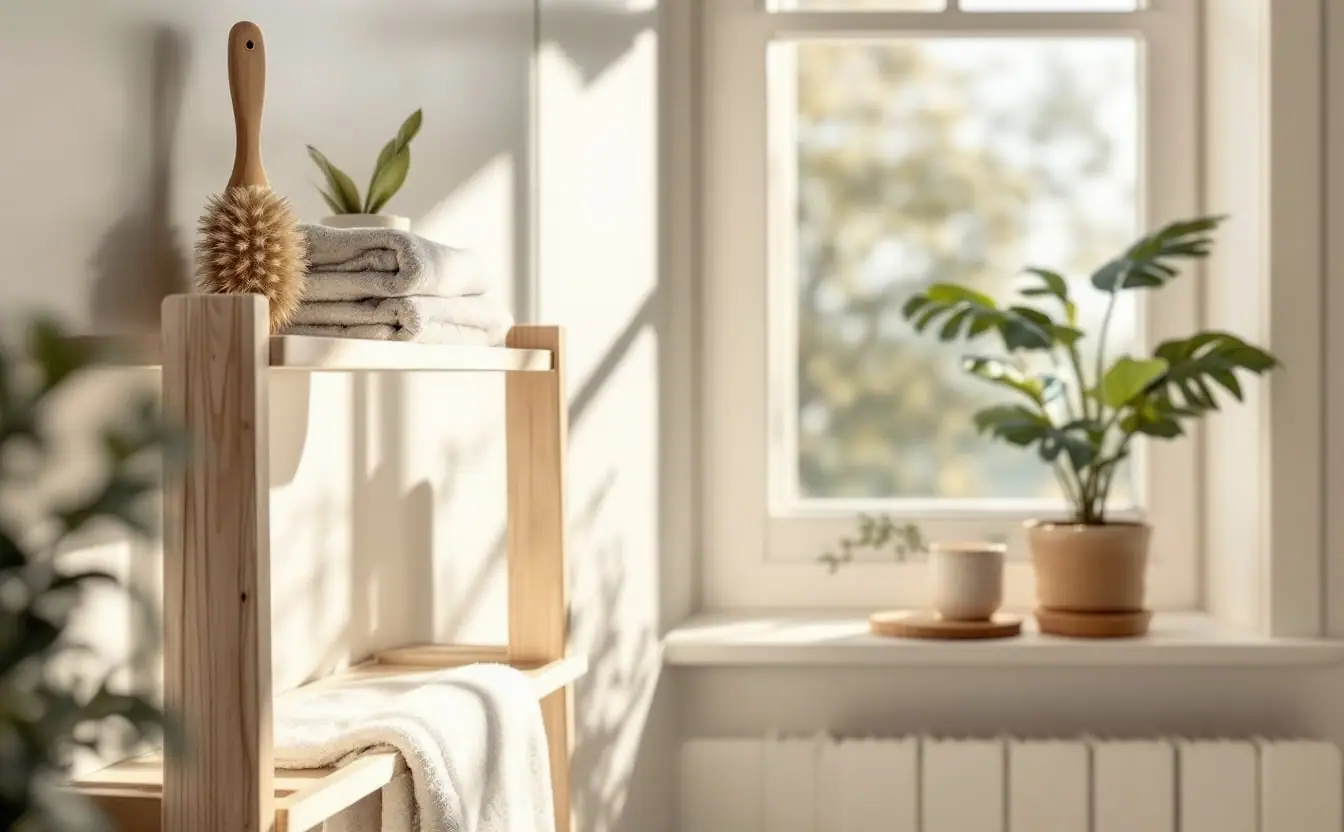
He wanted you scrubbed. In the bath or shower he advised a good stiff brush with no handle, precisely because reaching every part of your back without one makes you twist and stretch. He believed the brushing cleaned the pores and brought the skin up fresh and glowing. The scrub was an exercise in its own right.
He had views on sleep. A quiet, cool, well-ventilated room, a firm mattress and the lightest bedding you can manage. And if you could not sleep, he suggested getting up and doing some exercises, rolling movements especially, rather than lying there turning things over.
He cared about breath above almost everything. He thought most people breathed shallowly and never emptied their lungs, and much of his teaching pushes towards a full, forceful exhale. Fresh air came with that. Studio folklore has him walking about Manhattan in winter in little more than exercise shorts, and the stories also have him fond of a cigar, which is a useful reminder that he was a person and not a saint.
Underneath all of it sits his phrase about the complete coordination of body, mind and spirit, which we looked at in its own piece. For Joe, the habits were the method as much as the Hundred was.
His habits, adapted for now
Some of this travels well. Some needs a little updating. This is how I would translate it.
| Joe's habit | What he believed it did | A version you can keep this week |
|---|---|---|
| Stiff brush, no handle | Cleaned the skin and made you twist and reach | A firm brush or a rough flannel in the shower, reaching behind you rather than using a long handle |
| Cool, airy bedroom | Deeper, more restful sleep | Window open a crack, a lighter duvet, the phone charging in another room |
| Get up if sleep will not come | Rolling settles the body | Five minutes on the floor in low light: slow knee rocks, gentle rolling, long exhales |
| Full breathing | Cleaned out stale air | Three slow, complete breaths while the kettle boils |
| Outdoors in all weather | Fresh air and circulation | A daily walk whatever it is doing outside, even fifteen minutes |
| Regular practice | Consistency over heroics | Ten minutes most days rather than one long session a month |
Posture in the ordinary day
Good posture is not a pose you hold. It is having options and using them: lengthening when you could slump, hinging when you could round, changing position before something starts to ache. The cues you hear in class work surprisingly well in a kitchen.
Unloading the dishwasher is a hip hinge. Soften the knees, send the hips back and keep the spine long, as if a broom handle were lying along your back. Carrying shopping, split the weight between two bags and stack the ribs over the pelvis instead of leaning away from the heavy side. At the hob, stand on both feet; most of us lean into one hip without noticing for the whole time the onions are cooking.
Brushing your teeth on one leg is two minutes of balance practice you were going to spend anyway. Taking stairs one at a time with the whole foot on each step, pressing through the heel, wakes up the back of the leg. And at a desk, the best posture is the next one. Stand, walk to the window, sit back down differently. If your hips stiffen after long days of sitting, the ten-minute hip routine for desk days is a good place to start.
Food and rest belong to the practice
Joe wrote far less about food than about baths and beds, so here my own view takes over, and it is simple. A practice that asks your muscles to work needs enough food and enough protein to repair them, spread across the day rather than packed into dinner. A morning class on an empty stomach suits some people; others feel far better with a banana or a slice of toast first. Notice which you are.
The thing that makes eating well possible on a busy week is having something good already cooked. A pot of chickpeas or lentils on Sunday turns into salads, soups and quick dinners until Thursday, and our guide to cooking pulses from dry covers the soaking and timings. Rest is the other half. Adaptation happens between sessions, not during them, which is also why Joe's cool bedroom and early night are part of the method and not an optional extra.
How a practice becomes routine
The motivation that gets you to a first class rarely lasts long. Routine has to take over. A well-known study from University College London, published in 2010, followed volunteers as they tried to make a small daily behaviour automatic. The median was about 66 days, with an enormous range between people, and missing a single day did not undo the progress. That last part matters most. A missed morning is not a failed habit.
These steps make it easier:
- Attach it to something you already do. After you brush your teeth, before you put the kettle on, when you get home and drop your bag.
- Make the start tiny. Five mat exercises: the Hundred, Roll Up, Single Leg Circles, Rolling Like a Ball, Single Leg Stretch. That is under ten minutes.
- Leave the mat out. Rolled away in a cupboard, it becomes a decision every morning. Lying on the floor, it is an invitation.
- Keep a plain log. A tick on a calendar is enough. Long chains are satisfying, and gaps show you which days need a different plan.
- Book the class anyway. Home practice gets sloppy without a teacher's eye every so often, and a regular lesson keeps the home version honest.
If you have pain, an injury or a health condition, check with a doctor or physiotherapist before adding daily exercise, and tell your teacher what is going on.
None of this asks you to become a different person. It asks you to notice how you stand at the sink, open the bedroom window an inch, and buy the brush without the handle.