How to keep a ground-floor practice room clean enough to lie on
Some links in this story go to shops, and we may earn a commission from them.
Mat work puts your face near the floor. Here is how to clear, clean and keep a garage or ground-floor practice room fit to lie down in.
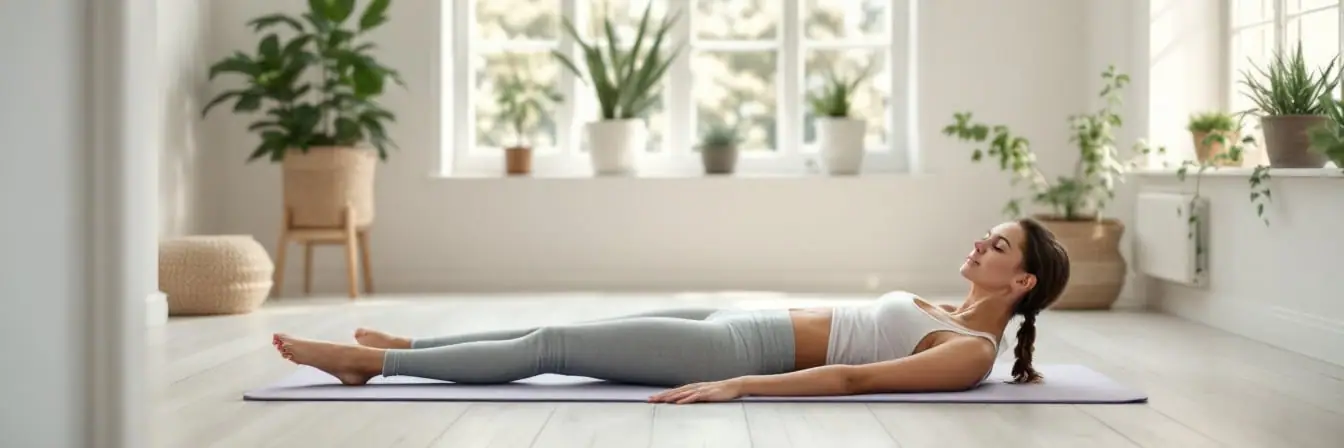
The first time you lie down for a Roll Up in a ground-floor room, you notice things you never see standing up. The grit by the skirting board. The cool line of air under the garage door. A small, dry dropping behind the storage box.
Mat work puts your face closer to the floor than almost anything else you do at home, so the room deserves a different standard of clean. If you live in north Texas, what should you ask when you look into Dallas rodent control for a garage or ground-floor studio? We will come to that, after the floor itself, the clutter and a weekly routine you will actually keep.
Start with why the floor matters more on a mat
Standing exercise keeps your nose a metre and a half above whatever is down there. Mat work does not. During The Hundred your head is lifted just off the floor, during Swan your chest is close to it, and during the long rolling exercises you breathe hard through your nose with your face near the edge of the mat. Dust that sits quietly on the floor all day gets stirred up by every exhale and every roll.
I am wary of anyone who claims a clean floor will transform your health, and the evidence on household dust and how people feel during exercise is thin and messy. The practical point is simpler. A room that smells of dust or damp is a room you will avoid, and a practice you avoid is not a practice. Make the room somewhere you want to lie down, and you will lie down in it more often.
There is also a straightforward hygiene question. Garages, utility rooms and back rooms on the ground floor are where food, bins, pet bowls and outdoor gear tend to collect. They are also the rooms with the most gaps to the outside. Those two facts together are why small animals find them before they find your bedroom.
Kit list
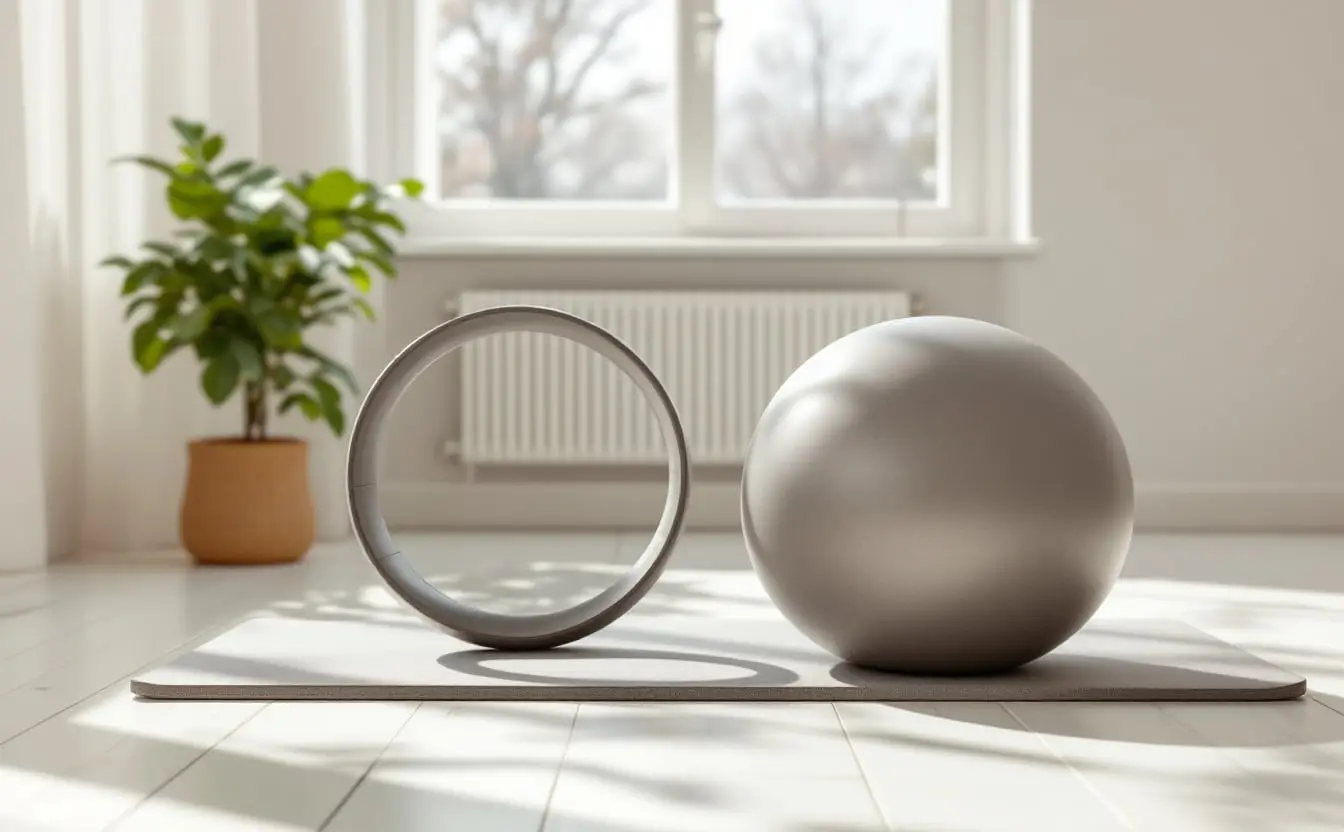
- Power Systems Poz-A-BallBest for: holding positionsSee it at Power Systems (Power Systems Poz-A-Ball)
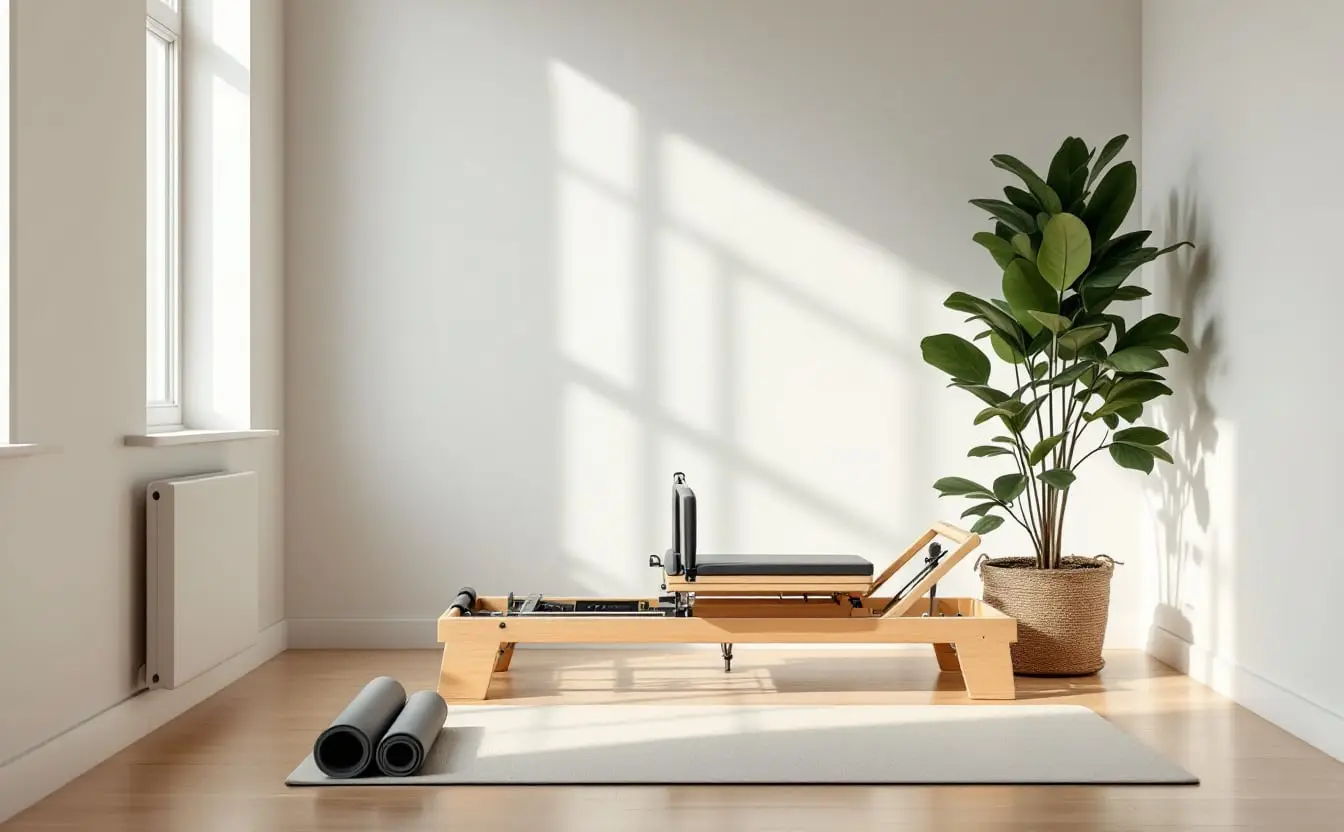
- Power Systems yoga and Pilates rangeBest for: equipping a roomSee it at Power Systems (Power Systems yoga and Pilates range)
We may earn a commission from these links.
Clear the room before you clean it
Cleaning around clutter does not work. Boxes against a wall create sheltered, undisturbed corners, which is exactly what you do not want in a room where you will spend half an hour with your cheek near the floor. Before you buy a single cleaning product, take everything out that does not belong to the practice or to the room's other honest job.
Some sorting principles that help:
- Anything edible leaves the room, including pet food, bird seed and the emergency box of cereal bars.
- Storage that stays goes into lidded plastic boxes, lifted off the floor on a shelf if you can manage it.
- Cardboard goes. It holds dust, soaks up damp and is easy for small teeth to get through.
- Your mat, blocks, ball and bands live on a hook or a shelf, never rolled up in a corner on the floor.
- Leave a clear strip along every wall so you can see the skirting and the corners when you sweep.
That last point is the one people skip. You cannot keep an eye on a corner you cannot see, and a visible edge to the room tells you more in ten seconds than any amount of guesswork.
Keep a weekly cleaning rhythm you will actually follow
Once the room is clear, the work is small and regular rather than heroic. A short routine on the same day each week beats a deep clean twice a year, and it means you notice changes early.
Here is a checklist that fits into the time it takes the kettle to boil and cool:
- Vacuum the whole floor, slowly, with the crevice tool along the skirting boards.
- Damp-mop the area where the mat goes, then let it dry fully before you lay anything on it.
- Wipe your mat with a mild soap and water solution and hang it to air.
- Look along the edges and behind any furniture for droppings, nesting material, or chewed packaging.
- Check the bottom of the external door and any vents for new gaps or daylight.
- Empty the room's bin, even if it looks nearly empty.
- Open the window or door for a few minutes to change the air.
The look along the edges is the part that matters most for this article. Most people only realise they have visitors when the signs are obvious. A weekly glance at the same corners, with a torch if the light is poor, catches things while they are still small.
If you do find signs of rodents, do not sweep droppings dry. Sweeping lifts fine dust into the air you are about to breathe on the mat. Wear gloves, ventilate the room, and follow the cleaning guidance from your local public health authority, which will tell you how to deal with droppings and nesting material safely. Then think about the next step, which is not more cleaning.
Know when it is a job for someone else
Here is where I get wry about miracle promises again. Plug-in gadgets, peppermint sachets and the shelf of products at the hardware shop all have their fans. The honest position is that a room with a real problem needs someone who can find out how the animals are getting in, and that is a trained eye, not a product.
A ground-floor practice room in a warm climate has particular pressures. Long, hot summers drive small animals towards shade and water, and cooler spells send them looking for warmth. Garages with roll-up doors, utility rooms with pipe runs through the wall and rooms with gaps around service cables are all common routes in. Finding those routes is detective work, and it is the part a good pest control company should be doing for you.
So when you talk to a local firm, the useful questions are about process rather than promises:
- How will they inspect the room and the outside walls to find where animals are getting in?
- What do they do about entry points once they find them, and what do they leave for you or a builder?
- If they set traps or bait, where will these go, and how will they keep them away from children, pets and your practice area?
- What should you clean, and how, once the problem is dealt with?
- What signs should you watch for afterwards, and when should you call them back?
A good company will explain each of those plainly. It will also be clear about what it will not do. If the answers are vague, or you are being sold a fixed number of visits before anyone has looked at the room, ask more questions before you agree to anything.
One more thing. If you have children, pets, or anyone in the house with breathing problems, say so at the start. It changes what is sensible to use and where, and a professional should ask about it anyway.
Seal and settle the room for the long term
Once the room is clear, clean and free of visitors, the job is to keep it that way. Most of this is about the edges of the room, which is convenient, because those are the places your weekly look already covers.
Draught strips on the bottom of external doors do two jobs at once: they keep out the cold line of air across the floor that makes slow mat work miserable in winter, and they close one of the easiest gaps. Brush strips on roll-up garage doors do the same. Gaps around pipes and cables where they come through the wall are better left to whoever dealt with the problem, or to a builder, since what goes into those gaps matters.
Inside, keep the floor as bare as you can. A rug under the mat feels pleasant but hides what is underneath. If you need cushioning, a thicker mat or a second mat on top is easier to lift, clean and hang up than a rug. Store your props off the floor permanently, and keep the clear strip along the walls even when the room fills up again over time, as rooms do.
Finally, give the room a smell you like. Not a scented candle burning while you breathe hard through The Hundred, but fresh air from an open window before you start, and a clean mat. It sounds trivial. It is often the difference between a room you use and a room you pass on your way to the car.
Spring check
Lighter: stop buying gadgets and sprays for the corners; they are not the fix for a real problem.
Heavier: put your effort into clearing the floor, the weekly look along the edges and, where needed, a proper inspection.
The last rep
This week, take everything off the floor of your practice room except the mat, sweep slowly along every wall with a torch in your other hand, and look. Then roll out the mat on a floor you have just seen properly, open the door to the morning air, and start your Roll Up with your face near a floor you trust.