Training as a Pilates instructor at sixty or later
A good many people find Pilates in their fifties, often after a stiff back or a doctor's nudge towards strength work, and some of them fall for it so thoroughly that they want to teach it. By the time they have practised for a few years they are sixty, or close to it, and wondering whether that is too late.
It is not, on the whole. The method has never been much interested in retirement ages. Several of the teachers who learned directly from Joseph Pilates went on teaching well into their eighties, Romana Kryzanowska among them. What matters more than the number is preparation: knowing what the training will ask of your body, being honest about what you bring, and picking a course that suits how you learn.
What the training asks of your body
Teacher training is physical in ways that a weekly class is not. You will practise the repertoire for hours on your own, and you will need to understand advanced exercises well enough to teach them, which usually means having felt a sensible version of each one. You do not need to perform a perfect Teaser on demand. You do need to know where it goes wrong.
Then there is the teaching itself. A day of classes can involve getting down to the floor and back up dozens of times, kneeling beside clients, standing for long stretches and projecting your voice across a draughty hall. On apparatus you change springs, adjust footbars and headrests, and steady clients as they climb on and off, which asks for a stable stance and decent grip strength. None of this is extreme. It adds up over a week.
If you have a heart condition, high blood pressure, a joint replacement or any other ongoing health issue, talk to your GP before you sign up for an intensive course. Not because you should be put off, but because you want to train with a clear picture of what to watch.
The study side deserves respect too. There are a lot of names to learn, plus anatomy, plus exam preparation. Flashcards, a simple practice log and saying the order out loud while you walk all help, at any age.
What older teachers bring
Older clients often prefer a teacher who knows from the inside what a stiff morning feels like. That is a genuine advantage, not a consolation prize. If you have had a knee that complains on stairs, or friends recovering from new hips, you will cue with a patience that a twenty-five-year-old has to learn from books.
You are also less likely to show off. Young teachers sometimes pitch a class at their own level; a sixty-year-old teacher tends to start where the room actually is. And people coming back to exercise after decades away are reassured by someone who looks like them, moves well and is plainly enjoying it.
There are limits to lean on, though. Life experience is not clinical training. Osteoporosis, post-surgery recovery, heart conditions and cancer treatment each call for specific knowledge, and a standard comprehensive course covers only the general principles. Many teachers who work mostly with older adults take further courses on these groups, and they ask clients for medical clearance where it is needed. Mateo Ferrer's piece on core strength for a long life gives a sense of why trunk control matters so much for this age group.
Teaching people your own age
A class for people in their sixties, seventies and eighties looks different from a studio class for thirty-somethings, and your training should prepare you for that. Expect to teach:
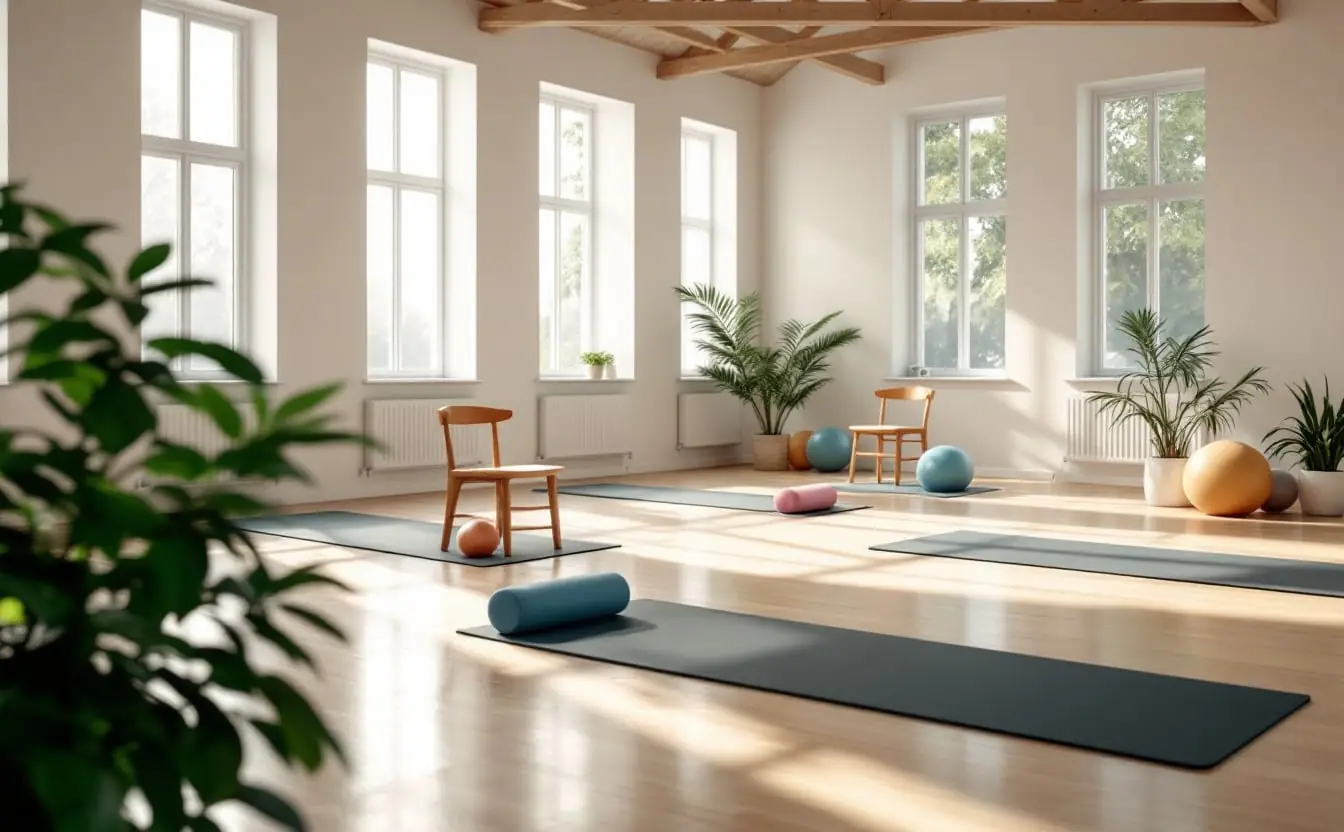
- getting down to the floor and up again, as an exercise in its own right, with a chair for support
- a raised mat, a firm cushion or a chair for anyone who cannot comfortably lie flat
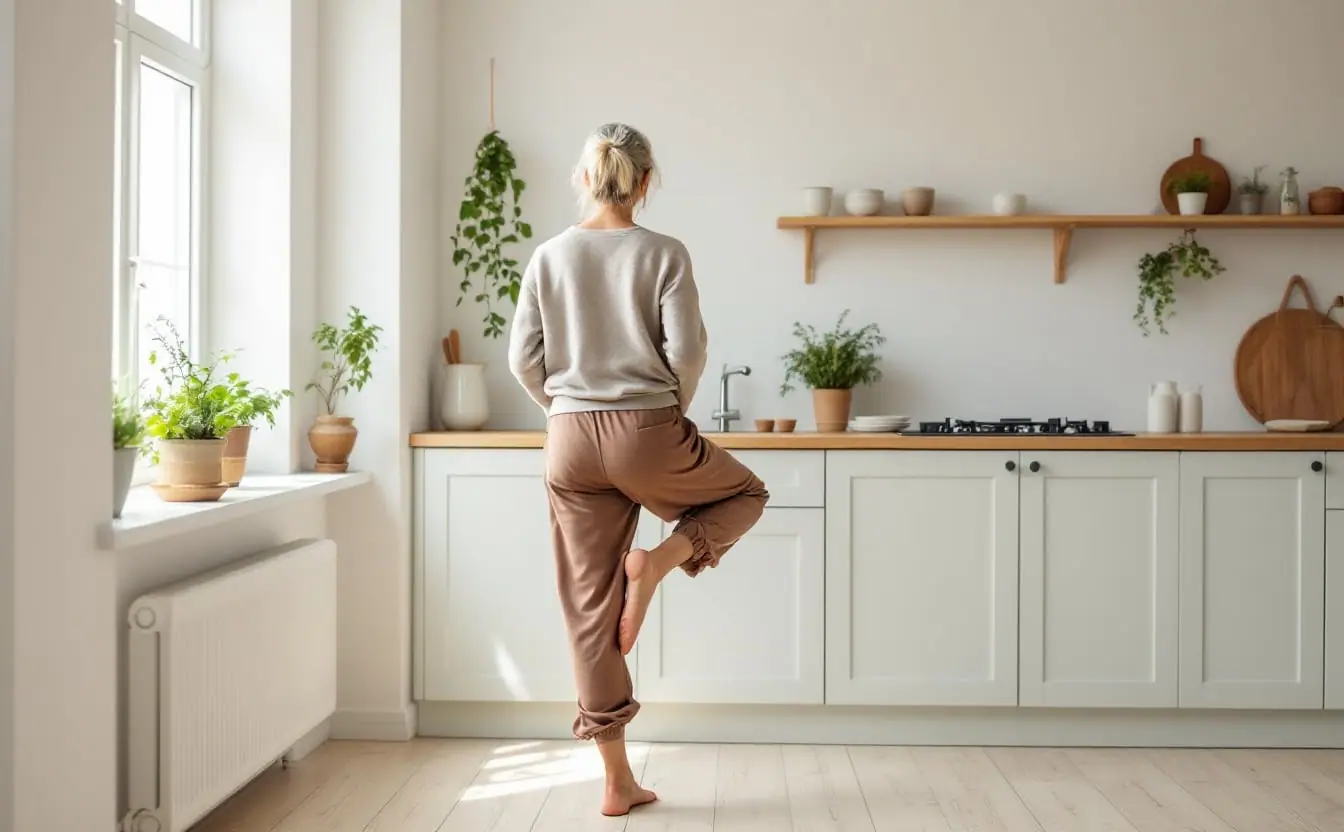
- standing work and balance, often with a hand on a chair back or the wall
- smaller ranges of movement, with progress measured in control rather than height or depth
- plenty of rest between harder exercises, without anyone feeling singled out for needing it
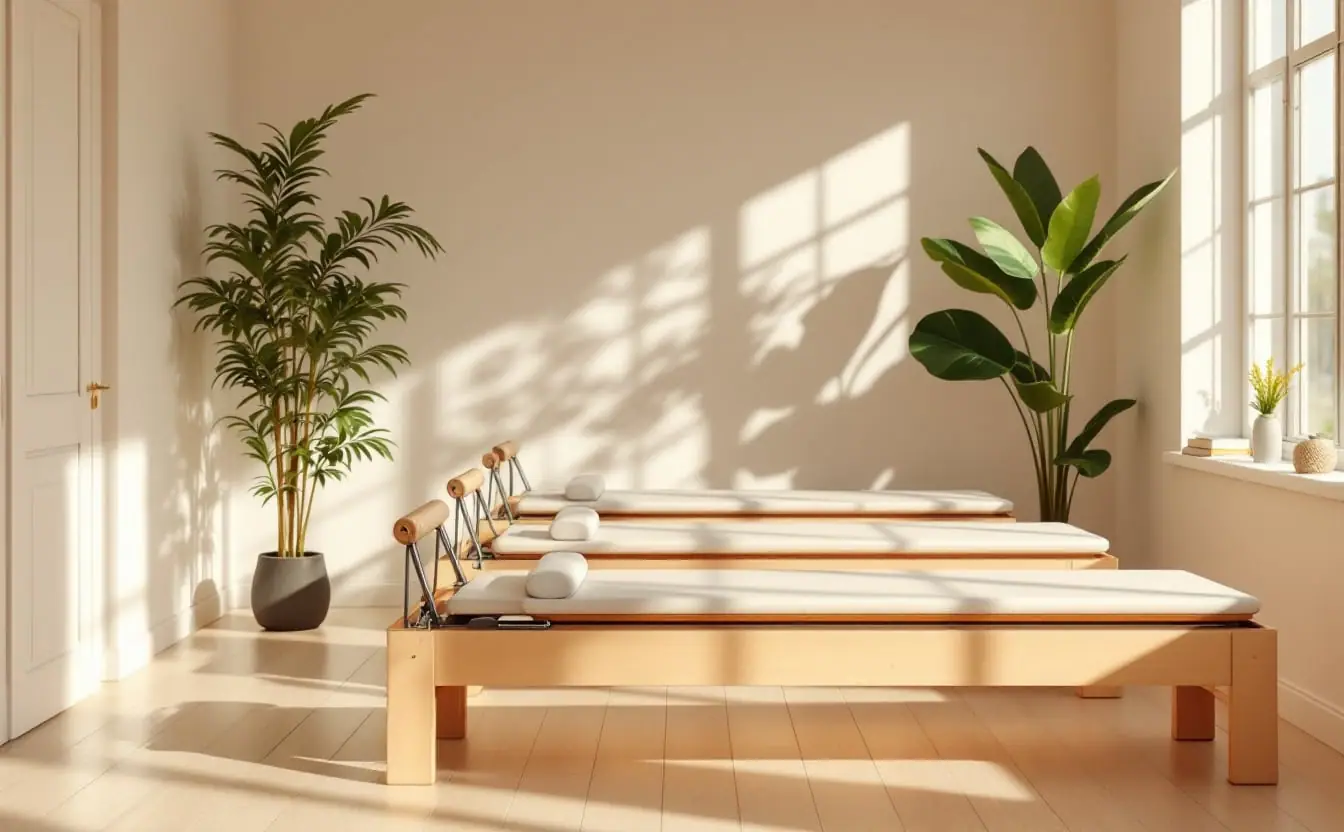
Apparatus can be easier for older beginners than mat work, because a reformer sits higher off the floor and the springs give support as well as resistance. Mat classes, on the other hand, can be run in any village hall and cost participants far less. Many teachers end up offering both.
Choosing a course at sixty
Training routes, costs and hours are set out in our earlier piece on starting a second career at forty, and the arithmetic is the same at sixty. What changes is what you look for in a provider. Use this checklist when you talk to schools:
- Can you observe a module or a practice session before enrolling?
- In the practical exam, is your teaching assessed, or mostly your own performance of the repertoire?
- Will tutors accept modified versions of exercises in your self-practice where your body needs them?
- Is the course spread over weekends across a year, or packed into an intensive fortnight? Intensives are hard on any body.
- Are there mentors, and chances to practise-teach real beginners, ideally including older ones?
- Does the school offer later courses on older adults, osteoporosis or post-rehabilitation work?
- Do graduates teach in the kind of setting you want: community halls, studios, home visits?
Age limits are not usually the obstacle. If you are unsure, ask the provider directly, and listen to how they answer as much as to what they say.
Pace and money
Few people retrain at sixty to fill a diary of thirty sessions a week. Six to ten hours of teaching suits many, with room for your own practice and a life outside the studio. That changes the financial picture: lower income, but often lower pressure, since you may not need the work to cover a mortgage. Decide early what you want from it, and build your timetable to match rather than to the industry's idea of full-time.
Your own practice is what keeps you teaching. Book it into the week first, before the classes, and treat it as non-negotiable. A teacher of sixty-five who still works on the Roll Up three mornings a week, slowly, with the window open, will be teaching long after the timetable-fillers have burnt out.